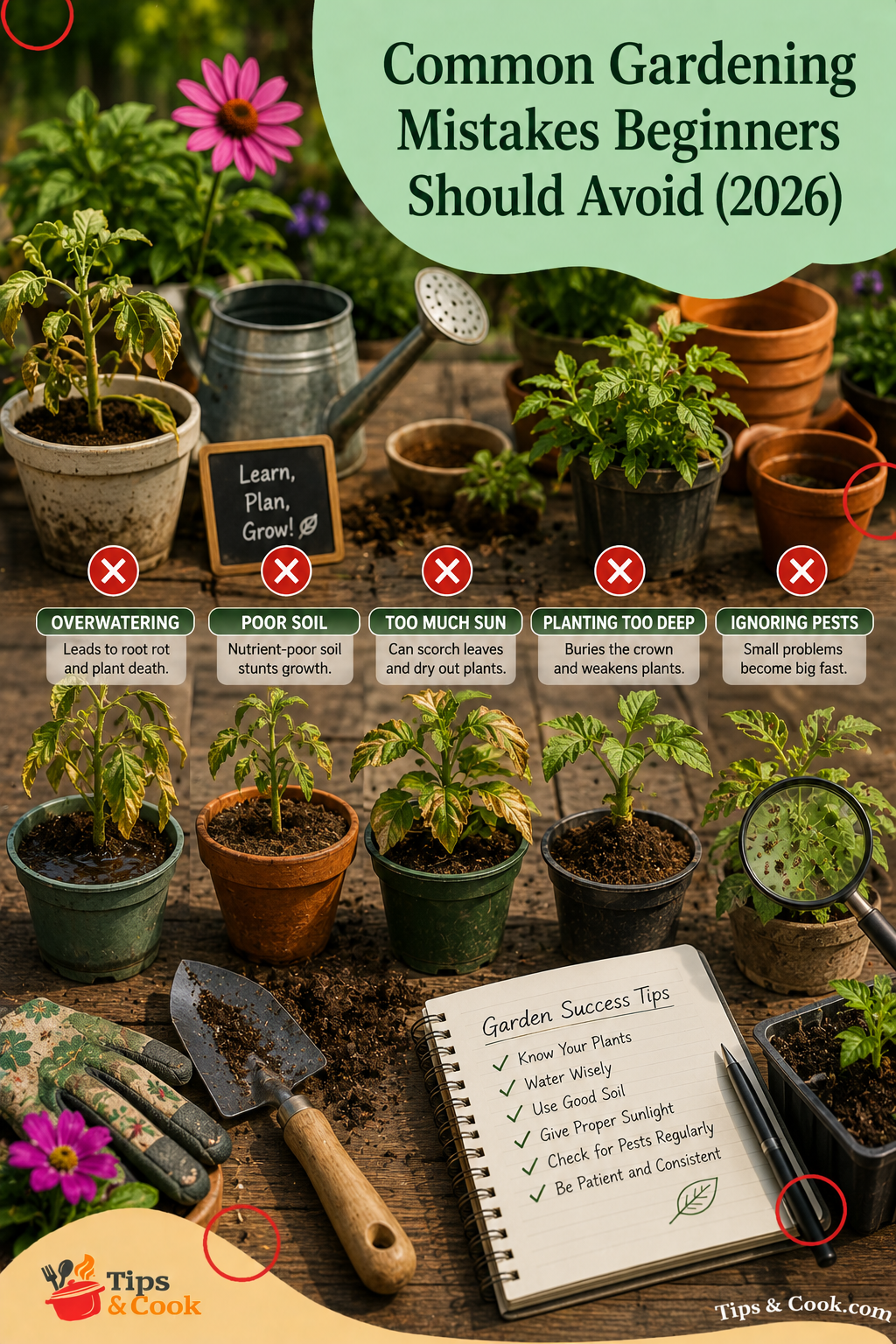
Common Gardening Mistakes
Starting a garden is an exciting and rewarding hobby, but it’s easy to make mistakes when you’re new to gardening. Understanding common gardening mistakes can help you grow healthier plants, save money, and enjoy a more successful home garden. Whether you’re planting flowers, herbs, or vegetables, avoiding a few simple errors can make a big difference in your gardening results.
1. Choosing the Wrong Plants
One of the biggest mistakes beginners make is selecting plants that aren’t suitable for their local climate or growing conditions. Before buying plants, check your hardiness zone, available sunlight, and soil type. Choosing the right plants for your environment gives them the best chance to thrive.
Before buying plants, check your local climate, available sunlight, and soil type. You can use the USDA Plant Hardiness Zone Map to identify which plants are best suited for your growing region.
2. Overwatering Your Plants
Many new gardeners think more water means healthier plants, but overwatering is a leading cause of root rot and fungal diseases. Most plants prefer moist soil rather than constantly wet conditions.
To avoid overwatering:
- Check the soil before watering.
- Water deeply but less often.
- Ensure containers and garden beds have good drainage.
3. Underwatering During Hot Weather
Just as too much water is harmful, too little water can stress plants. During hot or dry periods, vegetables and flowering plants may need additional watering.
Water early in the morning to reduce evaporation and allow leaves to dry before evening.
4. Ignoring Soil Quality
Healthy plants begin with healthy soil. Poor soil often lacks the nutrients and structure plants need for strong growth.
Improve your soil by adding:
- Compost
- Organic matter
- Well-rotted manure
- Mulch
Testing your soil can also help you understand its pH and nutrient levels.
5. Planting Too Close Together
Crowding plants limits airflow and increases competition for sunlight, water, and nutrients. It can also encourage pests and diseases.
Always follow the recommended spacing on seed packets or plant labels.
6. Planting at the Wrong Time
Every plant has an ideal growing season. Planting too early may expose seedlings to frost, while planting too late can reduce yields.
Check your area’s average frost dates before planting vegetables and flowers outdoors.
7. Forgetting About Sunlight
Different plants require different amounts of sunlight.
For example:
- Tomatoes usually need 6–8 hours of direct sunlight.
- Leafy greens can often tolerate partial shade.
- Many herbs prefer full sun.
Observe your garden throughout the day to determine how much sunlight each area receives.
8. Neglecting Weed Control
Weeds compete with your plants for nutrients, water, and sunlight. If left unchecked, they can quickly take over your garden.
Reduce weeds by:
- Applying mulch
- Pulling weeds regularly
- Avoiding bare soil where possible
9. Using Too Much Fertilizer
More fertilizer doesn’t always produce better plants. Excess fertilizer can burn roots, encourage weak growth, and reduce flowering or fruit production.
Follow product instructions carefully and choose fertilizers appropriate for your plants.
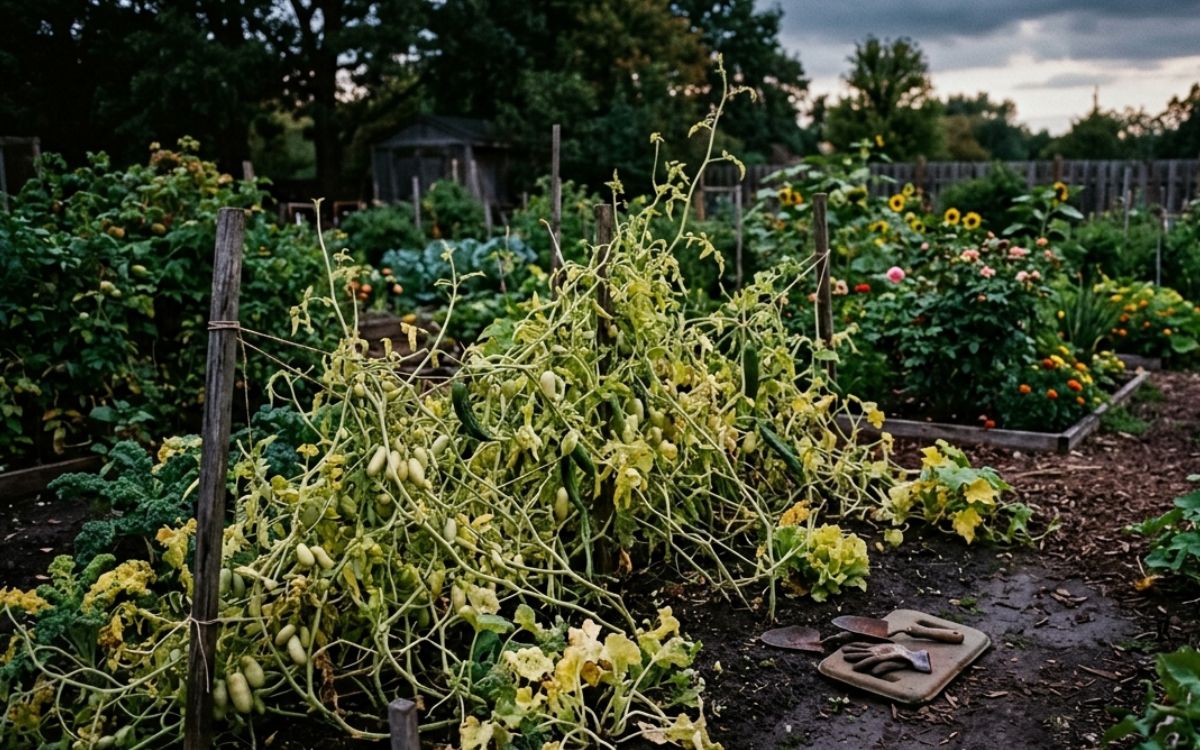
10. Ignoring Pests and Diseases
Small pest problems can quickly become major infestations if ignored.
Inspect plants regularly for signs such as:
- Yellow leaves
- Holes in foliage
- Sticky residue
- Wilting
- Mold or mildew
Early detection makes treatment much easier.
11. Skipping Mulch
Mulch offers many benefits for both flower beds and vegetable gardens. It helps retain soil moisture, suppress weeds, regulate soil temperature, and gradually improves soil quality as organic mulch breaks down.
Apply a layer of mulch around plants while keeping it away from stems and trunks.
12. Giving Up Too Soon
Every gardener experiences failures. Plants may die, pests may appear, and weather can be unpredictable. The key is learning from each season and improving your gardening skills over time.
Successful gardeners gain experience through patience and practice.
Tips for a Healthy Home Garden
Keep these beginner-friendly habits in mind:
- Start with a few easy-to-grow plants.
- Water according to your plants’ needs.
- Improve your soil with compost.
- Remove weeds regularly.
- Check plants for pests each week.
- Follow proper plant spacing.
- Learn about your local climate.
- Keep gardening tools clean and sharp.
Conclusion
Avoiding these common gardening mistakes can help you build a healthier and more productive home garden. From watering correctly and improving soil quality to choosing the right plants and monitoring for pests, small changes can lead to better results throughout the growing season. Gardening is a continuous learning experience, and every season offers new opportunities to improve. With patience, proper care, and these beginner gardening tips, you’ll enjoy stronger plants, bigger harvests, and greater confidence in your vegetable gardening journey.