Every kitchen needs a reliable frying pan. Whether you’re searing steak, sautéing vegetables, or flipping pancakes, the right pan can make cooking easier and tastier. But with so many types of frying pans available, choosing the right one can feel overwhelming.
This guide breaks down everything you need to know – from materials and uses to comparisons and sizes -so you can find the perfect frying pan for your everyday cooking.
What Is a Frying Pan?
A frying pan, also called a skillet, is a flat-bottomed cooking vessel with shallow sides. It’s designed for frying, searing, and browning foods. Frying pans typically come with a long handle and sometimes a lid, making them versatile for stovetop cooking. Unlike deeper pots, frying pans allow food to cook quickly and evenly with direct heat.
Sauté Pan vs Frying Pan
Though they look similar, sauté pans and frying pans serve slightly different purposes:
• Frying Pan (Skillet): Sloped sides make it easy to toss and flip food. Best for frying, searing, and stir-frying.
• Sauté Pan: Straight sides and a larger surface area. Ideal for cooking with liquids, sauces, or dishes that require simmering.
In short, frying pans are better for dry-heat cooking, while sauté pans excel in recipes that involve more liquid.
Use of Frying Pan
The types of frying pans you choose determine how you cook. Common uses include:
• Searing meats for a crispy crust
• Cooking eggs and pancakes with even heat
• Stir-frying vegetables quickly at high temperatures
• Making sauces or reductions in stainless steel pans
• Slow cooking in cast iron skillets that retain heat
A frying pan is one of the most versatile tools in the kitchen, suitable for breakfast, lunch, and dinner.
Types of Frying Pans
1. Cast Iron Skillets
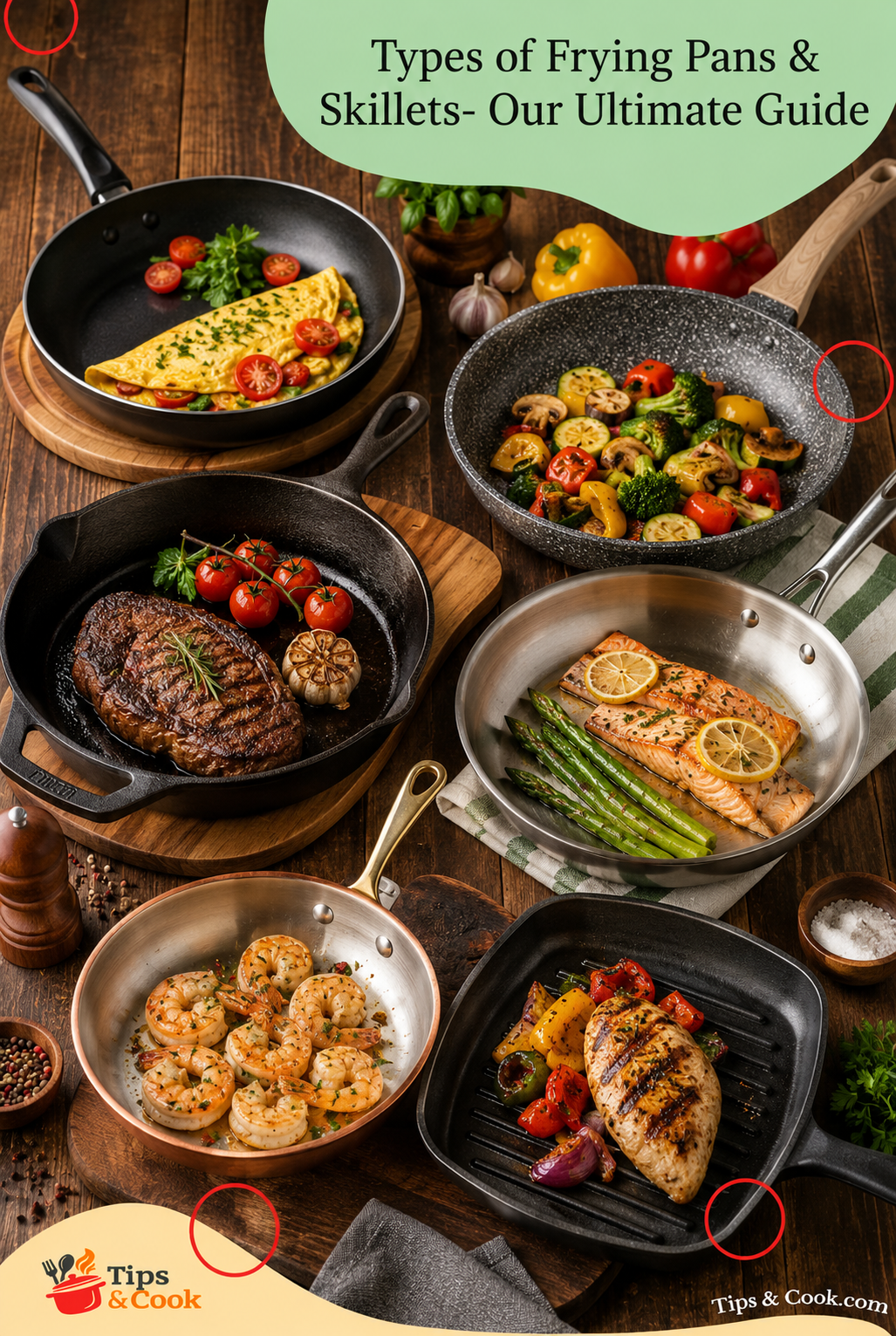
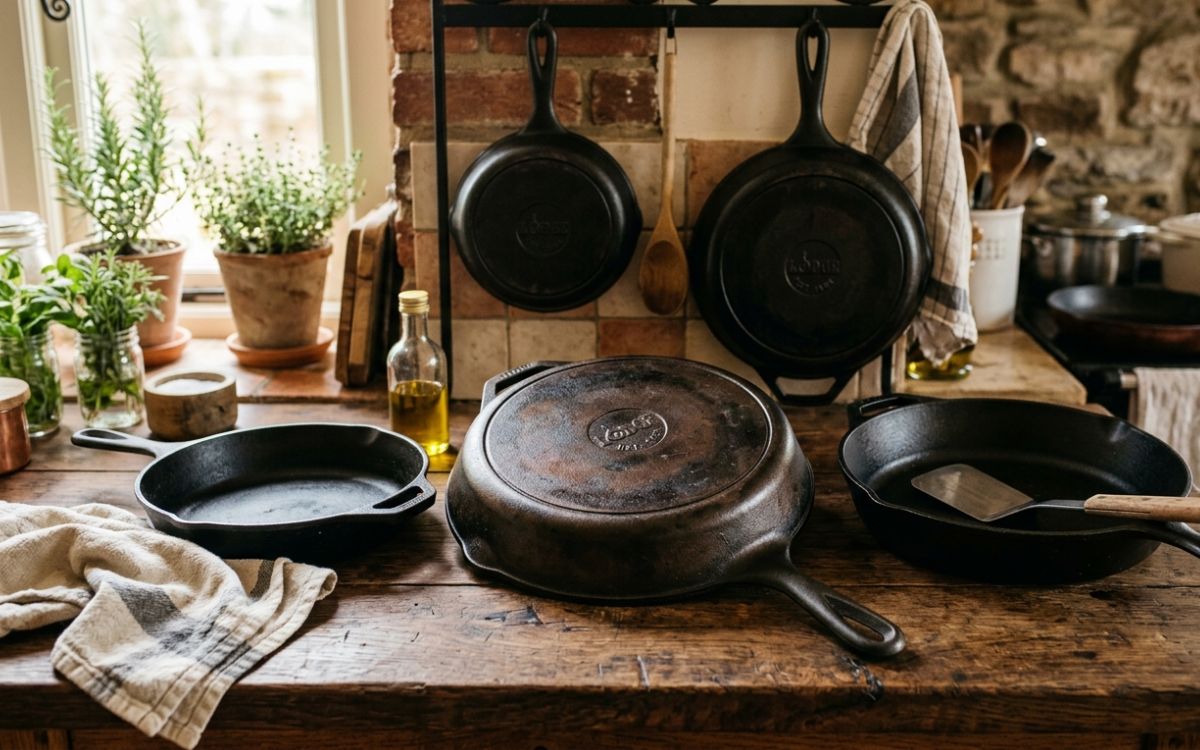
Cast iron skillets are legendary for their durability and heat retention. They can go from stovetop to oven, making them perfect for searing steaks, baking cornbread, or slow-cooking stews. With proper seasoning, cast iron develops a natural non-stick surface.
Pros: Long-lasting, excellent heat retention, oven-safe.
Cons: Heavy, requires seasoning, can rust if not cared for.
2. Aluminum Frying Pans
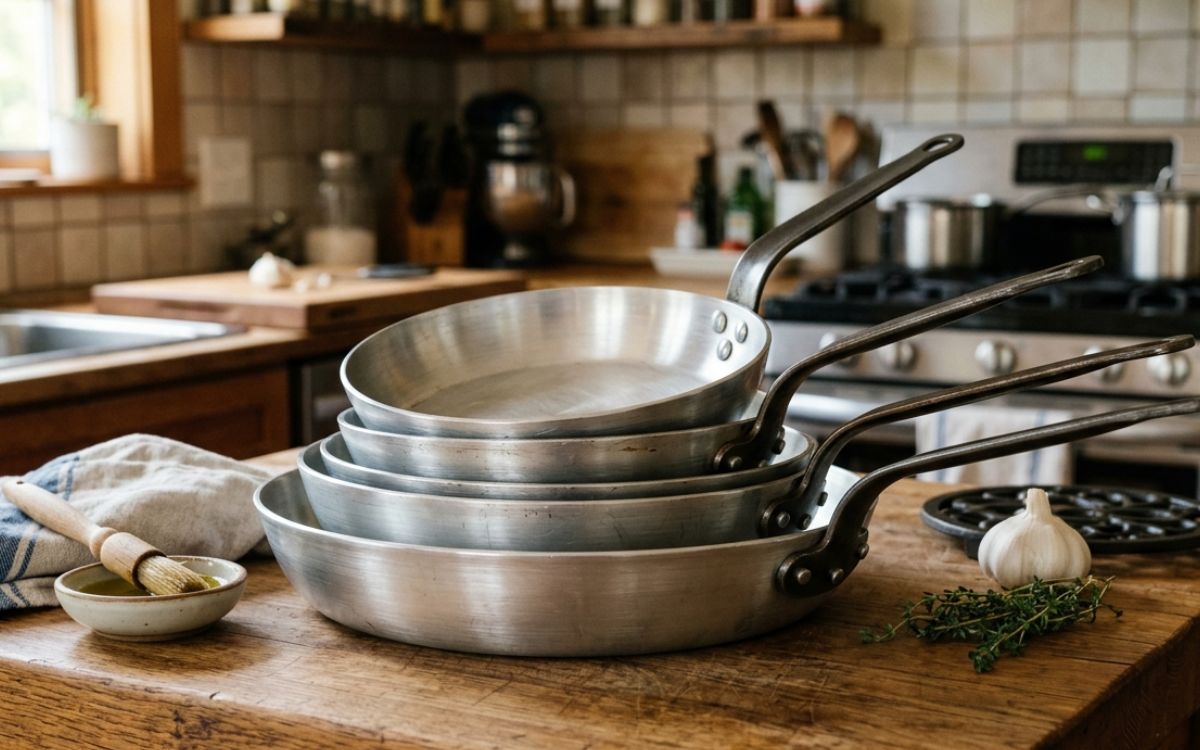
Aluminum pans are lightweight and conduct heat quickly. They’re often coated with non-stick material to prevent food from sticking. These pans are budget-friendly and great for everyday cooking.
Pros: Affordable, lightweight, heats quickly.
Cons: Can warp under high heat, less durable than other materials.
3. Non-Stick Frying Pans
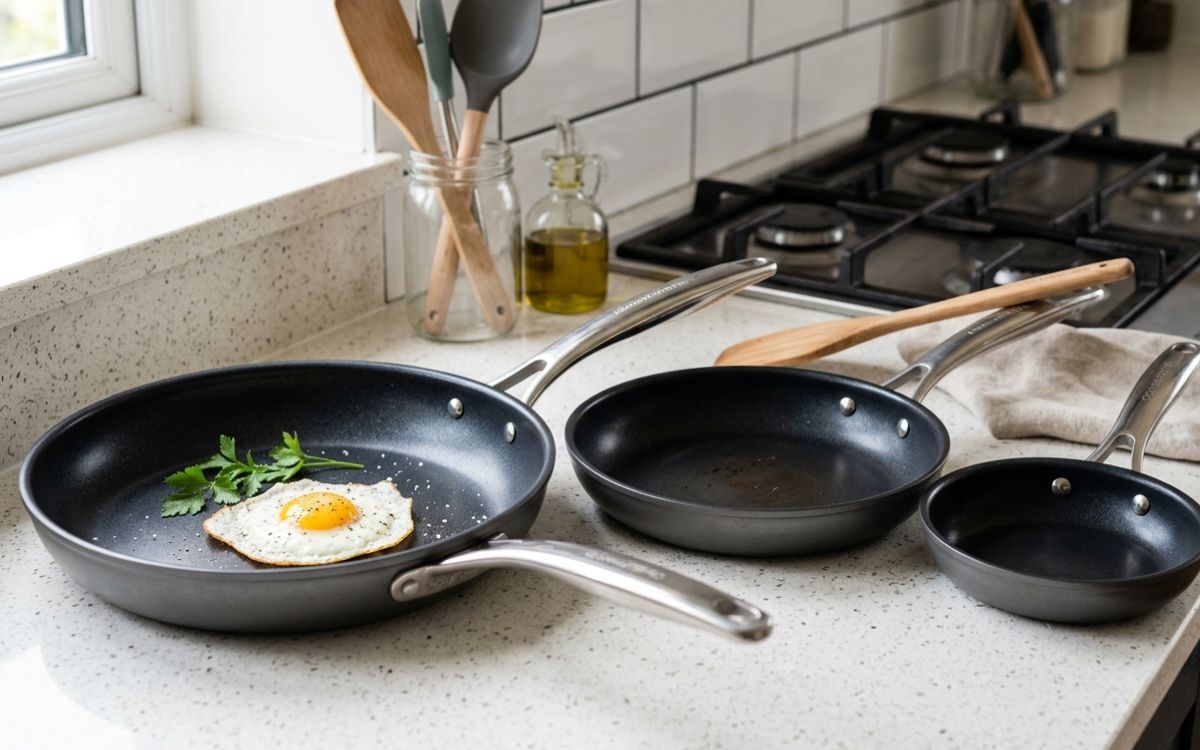
Non-stick pans are coated with materials like Teflon or ceramic, making them ideal for cooking delicate foods such as eggs, pancakes, or fish. They require less oil, making them healthier for everyday use.
Pros: Easy to clean, requires less oil, perfect for low-fat cooking.
Cons: Coating can wear off, not suitable for very high heat.
4. Stainless Steel Frying Pans
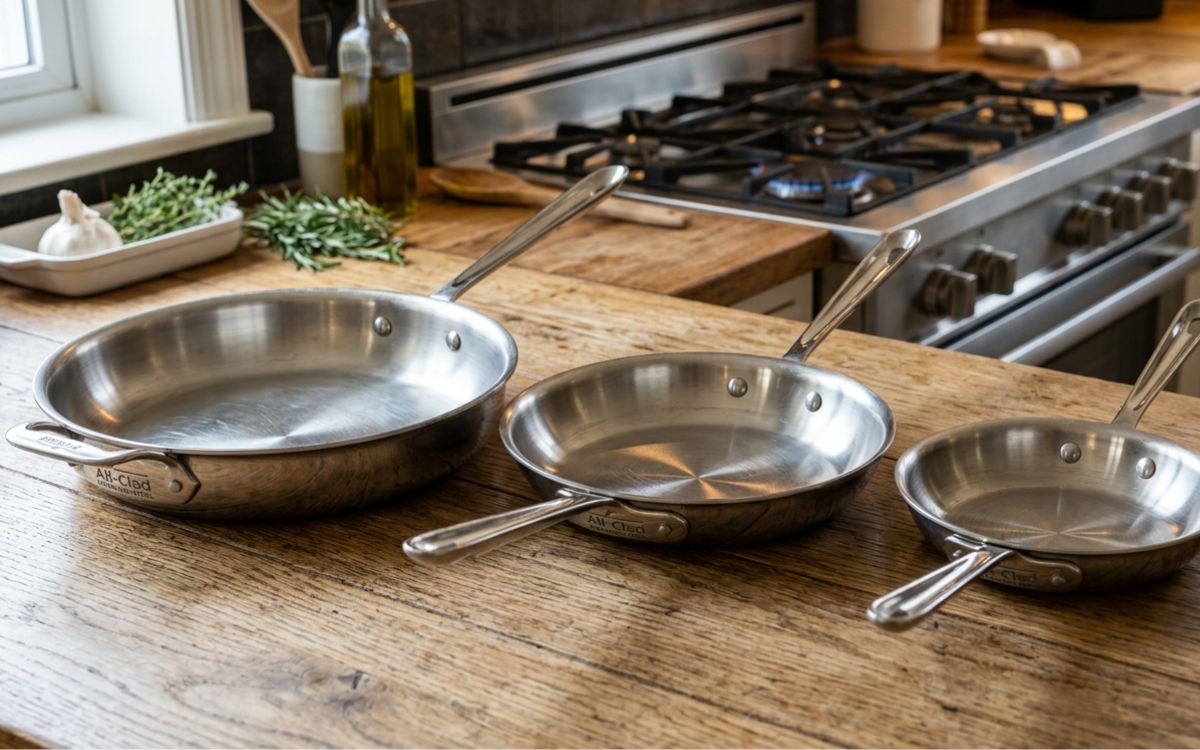
Stainless steel pans are durable, resistant to rust, and excellent for browning and searing. They don’t have a non-stick coating, but when used correctly, they produce restaurant-quality results.
Pros: Durable, versatile, dishwasher-safe.
Cons: Food can stick if not used properly, requires oil or butter.
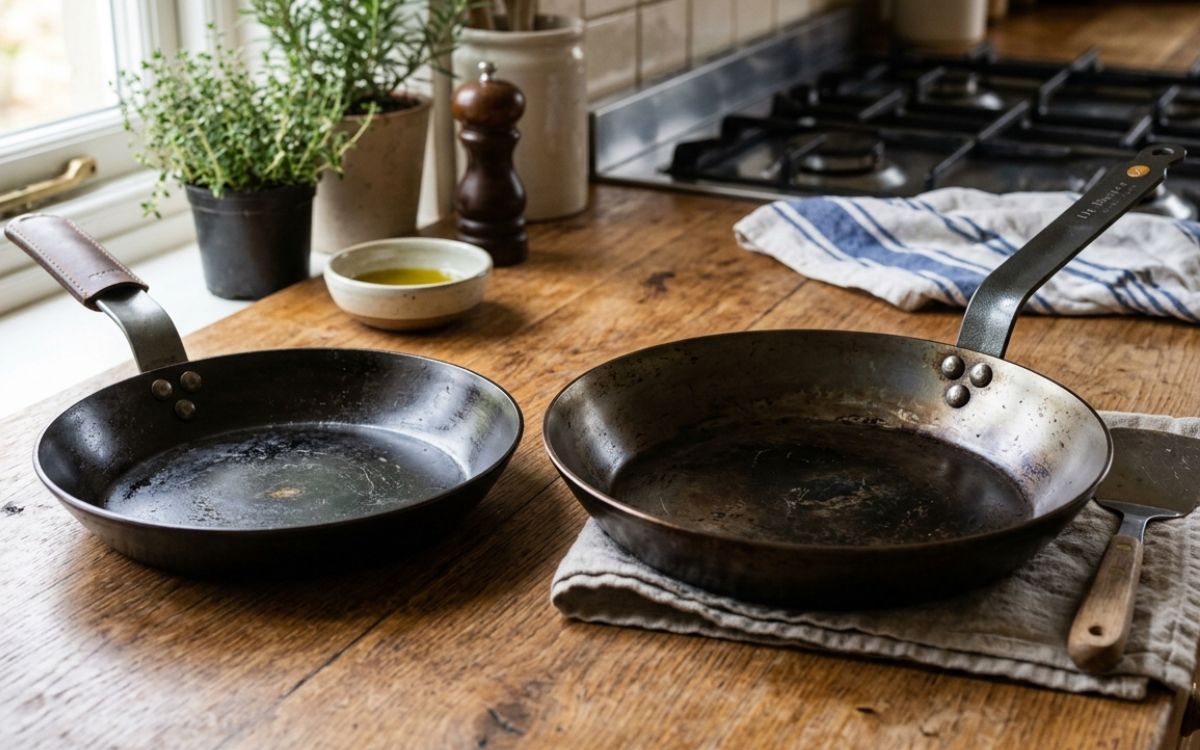
5. Carbon Steel Frying Pans
Carbon steel pans are similar to cast iron but lighter. They heat up quickly and develop a natural non-stick surface with seasoning. Professional chefs often prefer carbon steel for its versatility.
Pros: Lightweight, heats quickly, develops non-stick surface.
Cons: Requires seasoning, can rust if not maintained.
Non-Stick Pan vs Stainless Steel
Choosing between non-stick and stainless steel depends on your cooking style:
• Non-Stick Pan: Best for delicate foods, quick cooking, and easy cleanup. Ideal for beginners or health-conscious cooks.
• Stainless Steel Pan: Perfect for searing, browning, and deglazing. Offers professional results but requires more skill.
If you cook eggs daily, non-stick is your friend. If you love steak or sauces, stainless steel is the way to go.
Frying Pan Sizes
Frying pans come in different sizes, each suited for specific tasks:
• 7″ Pan: Perfect for single servings, frying eggs, or making small pancakes.
• 10″ Pan: Great for everyday cooking – fits 2–3 servings of meat or vegetables.
• 12″ Pan: Ideal for family meals, stir-fries, or dishes that require more space.
• 14″ Pan: Large enough for entertaining or cooking for a crowd.
Choosing the right size depends on your household needs and cooking habits.
Read More: 5 Uses of Casseroles in Your Everyday Life
Understanding the types of frying pans helps you make smarter choices in the kitchen. Cast iron skillets offer tradition and durability, aluminum pans provide affordability, non-stick pans make cooking effortless, stainless steel pans deliver professional results, and carbon steel pans balance versatility with ease.
By knowing the differences, you can select the right frying pan for your lifestyle – whether it’s quick breakfasts, gourmet dinners, or family feasts.