
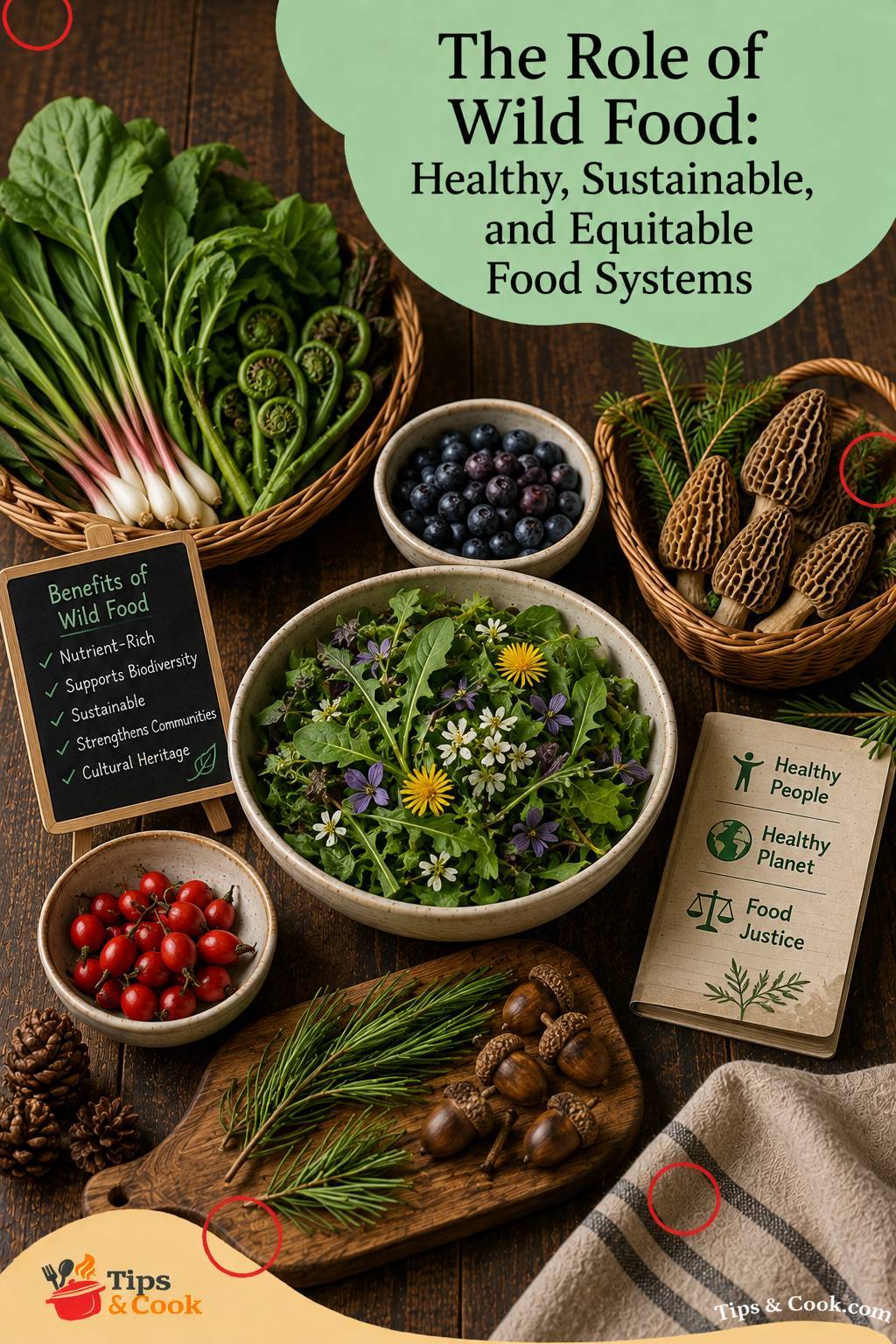
Modern food systems are under immense pressure. Climate change, soil degradation, and unequal access to healthy food have created challenges that industrial agriculture alone cannot solve. One promising solution lies in rediscovering the role of wild food in sustainable food systems.
Foraging for edible plants, mushrooms, and medicinal herbs is not just a nostalgic practice-it is a pathway toward healthier diets, ecological balance, and fairer food access.
Wild Food and Human Health
Wild foods are often more nutrient‑dense than cultivated crops. Wild berries, for example, contain higher levels of antioxidants compared to supermarket varieties. Incorporating wild foods into diets can:
- Improve nutritional diversity.
- Reduce reliance on processed foods.
- Support natural immunity and long‑term wellness.
Medicinal plants such as nettles, yarrow, and elderberry also provide natural remedies, helping communities reduce dependence on pharmaceuticals. This connection between wild food and health highlights how nature can support both prevention and healing.
Sustainable Foraging Practices
Foraging encourages sustainable relationships with ecosystems. Unlike industrial farming, which often depletes soil and water, wild food harvesting can be regenerative when done responsibly. Key practices include:
- Harvesting only what is needed.
- Leaving enough for wildlife and plant regeneration.
- Avoiding endangered species.
- Learning seasonal cycles to prevent overharvesting.
These sustainable foraging practices ensure that wild food remains a renewable resource for future generations.
Biodiversity and Nutrition
The role of wild food in sustainable food systems extends to biodiversity. Foraging promotes awareness of diverse plant species, many of which are ignored in monoculture farming. By consuming a wider range of foods, communities:
- Strengthen ecological resilience.
- Reduce dependence on a handful of global crops.
- Preserve traditional knowledge of edible and medicinal plants.
This biodiversity is critical in adapting to climate change and maintaining food security.
Equitable Food Systems
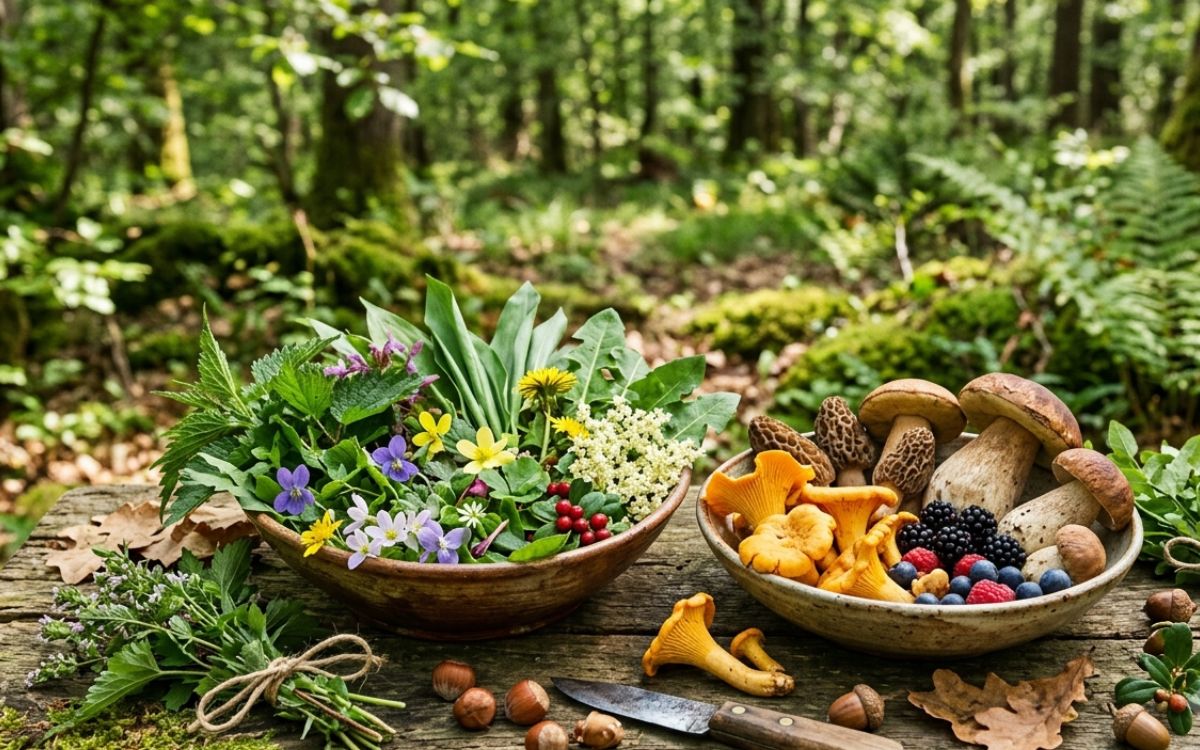
Wild food can help address inequality in food access. In many rural and marginalized communities, foraging provides affordable nutrition when store‑bought food is scarce or expensive. It empowers individuals to take control of their diets without relying solely on industrial supply chains.
Community foraging initiatives also foster shared knowledge, cultural preservation, and collective resilience. By teaching safe foraging practices, communities can ensure equitable food systems where everyone has access to both food and medicinal resources.
Community Food Resilience
Wild food strengthens local food systems by reducing dependence on imports and industrial farming. During crises-such as pandemics or supply chain disruptions-wild food offers a safety net. Communities that maintain foraging traditions are better equipped to adapt and thrive.
This community food resilience is a vital aspect of sustainability, ensuring that food systems remain strong even in uncertain times.
Challenges and Considerations
While wild food offers many benefits, challenges remain:
- Urbanization reduces access to natural spaces.
- Lack of knowledge can lead to unsafe foraging.
- Policy frameworks often overlook wild food in food security planning.
Addressing these challenges requires education, supportive policies, and integration of wild food into broader sustainability strategies.
Conclusion
The role of wild food in sustainable food systems is multifaceted: it nourishes health, supports biodiversity, fosters equity, and builds resilience. By valuing wild foods alongside cultivated crops, societies can create food systems that are not only sustainable but also just and inclusive.
For more insights on sustainable food practices, visit the Food and Agriculture Organization (FAO) -a leading global resource on food security and sustainability.