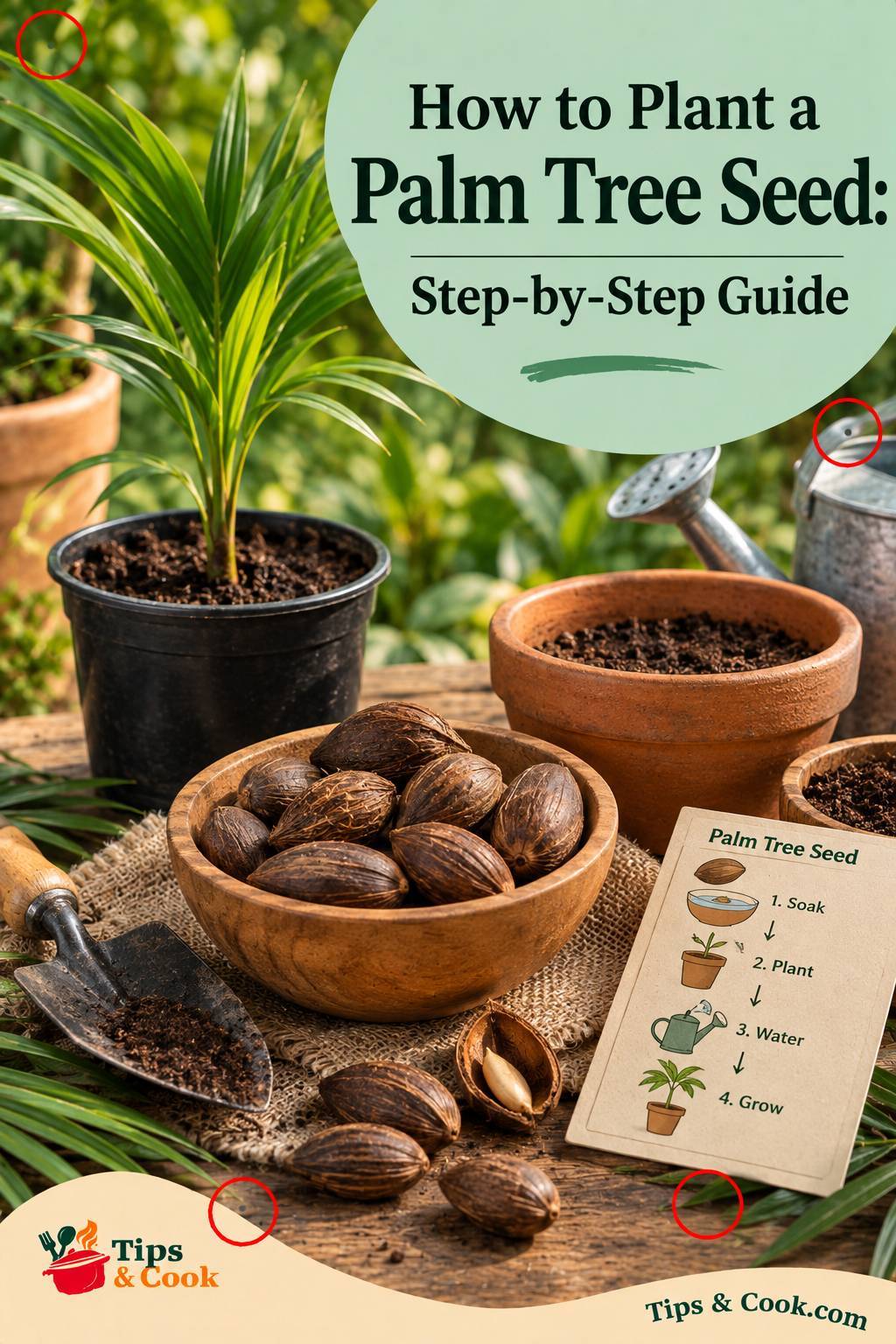
Growing a palm tree from a seed can be a rewarding gardening project, but patience is important. Depending on the palm species, seeds may take several weeks or even months to germinate. The good news is that the basic process is simple: choose a fresh seed, prepare it properly, plant it in a suitable growing medium, and provide warmth, moisture, and light.
If you want to learn how to plant a palm tree seed, follow these steps to give your seed the best possible start.
1. Choose a Fresh, Healthy Palm Seed
Start with a mature, healthy palm seed. Fresh seeds generally have a better chance of germinating than old or poorly stored seeds.
Palm seeds vary greatly in size and appearance depending on the species. Some are small and round, while others may be larger and covered with a fibrous outer layer.
Avoid seeds that are:
- Completely dried out or shriveled
- Cracked or damaged
- Moldy
- Soft or rotten
- Showing signs of insect damage
If possible, collect seeds from a healthy palm after the fruit has fully matured. Remove any remaining fruit from around the seed before planting.
2. Clean the Seed
Before planting, clean the palm seed thoroughly. Fruit pulp left around the seed can encourage mold and may interfere with germination.
Wash the seed under clean water and gently remove the remaining flesh. For seeds with a tough or fibrous coating, you can carefully clean the outer material without damaging the seed itself.
Once cleaned, inspect the seed again for damage.
3. Soak the Palm Seed
Soaking is a useful preparation step for many palm seeds. Place the cleaned seed in a container of clean, warm water.
Let the seed soak for approximately 24 to 48 hours. Change the water once or twice if it becomes cloudy.
Soaking helps hydrate the seed and can soften certain outer coverings. However, not every palm species requires the same treatment, so species-specific instructions should take priority when available.
Do not leave the seed soaking indefinitely, as prolonged soaking can encourage rot.
4. Prepare the Right Growing Medium
Palm seeds need a growing medium that holds some moisture while allowing excess water to drain away.
A simple seed-starting mix can include:
- Potting soil
- Perlite
- Coarse sand
The exact mixture can vary, but good drainage is especially important. A constantly waterlogged medium can cause the seed to rot before it has a chance to germinate.
Choose a clean container with drainage holes at the bottom. A small nursery pot is usually enough for starting one seed.
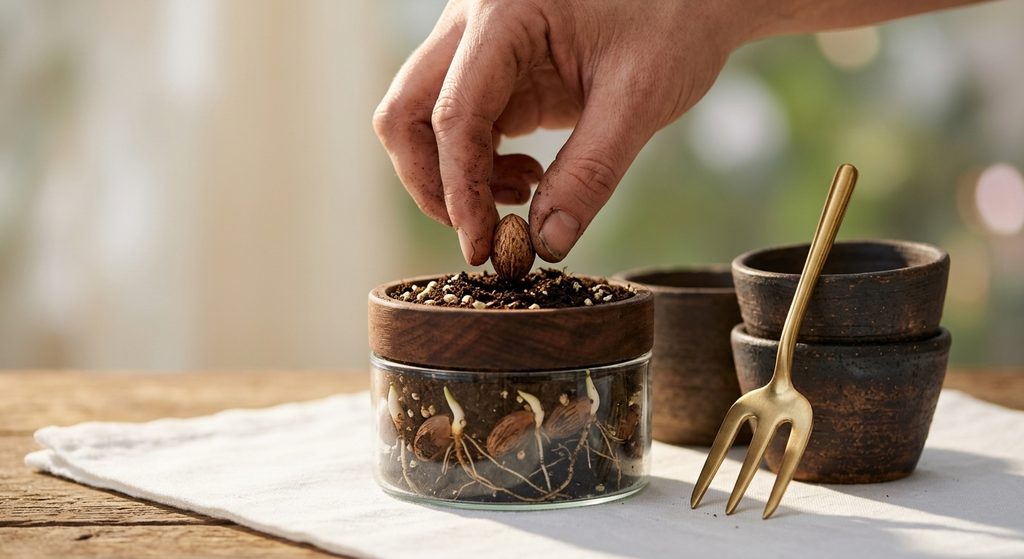
5. Plant the Palm Seed
Fill the container with your growing medium and make a small hole for the seed.
Place the seed into the soil and cover it with a thin layer of the growing medium. As a general rule, avoid burying the seed excessively deep. The appropriate depth depends on the palm species and seed size.
After planting, gently water the soil so the growing medium is evenly moist but not soaked.
Label the container with the palm species and planting date. This is particularly useful because some palm seeds can take a long time to germinate.
6. Keep the Seed Warm and Moist
Temperature is one of the most important factors in palm seed germination. Many tropical and subtropical palms germinate better under warm conditions.
Place the container somewhere warm and protected from cold temperatures. Keep the growing medium consistently moist, but avoid excessive watering.
Check the soil regularly. If the surface begins to dry, add a small amount of water.
Avoid placing the pot in standing water because poor drainage can lead to fungal problems and seed rot.
7. Give the Seed Appropriate Light
A palm seed does not necessarily need intense direct sunlight during the earliest stage of germination. Bright, indirect light is generally suitable while you are waiting for the seed to sprout.
Once a seedling emerges, gradually provide appropriate light for the particular palm species. Some palms tolerate considerable sunlight, while others naturally grow under the canopy of larger trees and prefer filtered light.
Research the light requirements of your specific palm before moving the young plant outdoors.
8. Be Patient During Germination
One of the biggest mistakes beginners make is assuming that a palm seed has failed because it has not sprouted quickly.
Palm seed germination times vary significantly between species. Some seeds may germinate within a few weeks, while others can take several months.
Continue checking the container and maintain suitable moisture and warmth. If the seed remains firm and healthy, it may simply need more time.
However, if the seed becomes soft, develops a strong unpleasant smell, or shows significant mold or decay, it may have rotted.
9. Care for the New Palm Seedling
Once the seed germinates, continue providing appropriate moisture, warmth, and light.
Avoid disturbing the young roots unnecessarily. Palm seedlings can be sensitive during their early development.
When the seedling develops several healthy leaves and the roots begin filling the container, it may eventually need to be moved into a larger pot.
When transplanting, handle the root system carefully and avoid damaging the main growing point.
10. Transplant the Palm Outdoors
Do not rush to move a young palm directly into the garden. First make sure the plant is strong enough for outdoor conditions.
If the species is suitable for your local climate, gradually acclimate the palm to outdoor conditions. Start by placing it outside for a limited period and slowly increase its exposure to outdoor light and temperature.
Choose a planting location with suitable drainage and enough space for the mature tree. Remember that some palm species can eventually become very large.
Before planting permanently, check the mature size, sunlight requirements, temperature tolerance, and soil preferences of your particular palm species.
Common Mistakes to Avoid
When learning how to plant a palm tree seed, avoid these common problems:
Overwatering: Constantly wet soil can cause the seed to rot.
Using old seeds: Older seeds may have lower viability depending on the species and storage conditions.
Planting too deeply: Excessively deep planting can make it difficult for the developing seedling to emerge.
Keeping the seed too cold: Many palms prefer warm conditions for successful germination.
Transplanting too early: Give the young seedling time to establish a healthy root system before moving it.
How Long Does a Palm Tree Seed Take to Grow?
There is no single germination time for all palm trees. The process depends on the species, seed freshness, temperature, moisture, and growing conditions.
Germination may take several weeks for some palms and considerably longer for others. Even after germination, growing a palm into a mature tree can take years.
The best approach is to identify the palm species first and follow its specific growing requirements.
Conclusion
Learning how to plant a palm tree seed is mostly about creating the right conditions and being patient. Start with a healthy seed, clean and soak it when appropriate, use a well-draining growing medium, and maintain consistent warmth and moisture.
Once the seed sprouts, provide suitable light and careful watering while the seedling develops. With proper care and enough time, a small palm seed can eventually become an attractive addition to your garden or landscape.