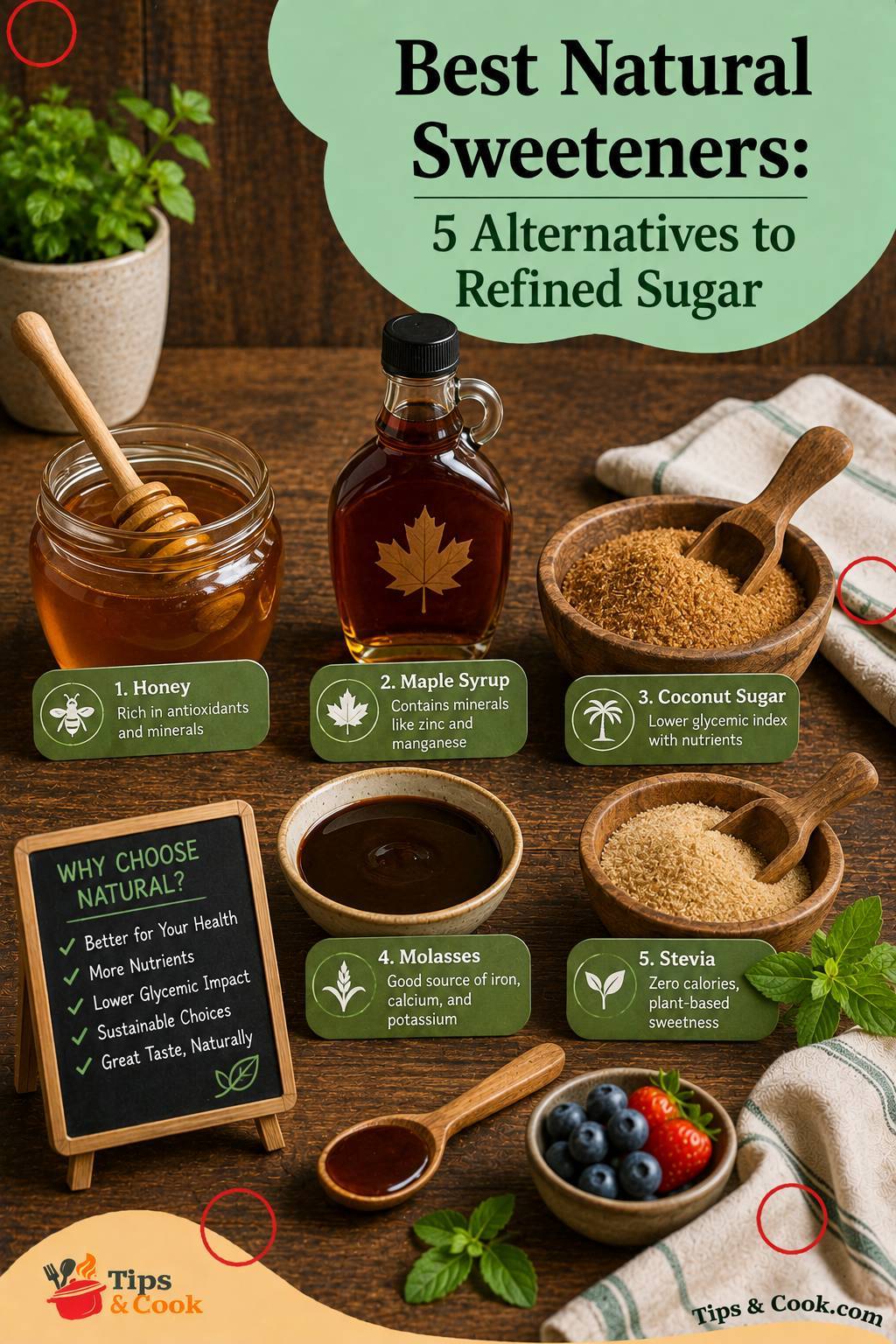
If you’re trying to reduce refined sugar without giving up sweetness, natural sweeteners can be a convenient alternative. From plant-based options like stevia and monk fruit to traditional choices such as honey and maple syrup, there are several ways to sweeten coffee, oatmeal, desserts, and baked goods.
However, “natural” doesn’t automatically mean calorie-free or healthier. Honey, maple syrup, and coconut sugar still contain added sugars, while stevia and monk fruit can provide sweetness with little or no calories.
To help you choose, here are five popular natural sweeteners worth considering in 2026.
Best Natural Sweeteners

Lakanto Monk Fruit Sweetener – Best Overall
Lakanto Monk Fruit Sweetener is a popular choice for people looking for a sugar alternative that works well in drinks, desserts, and baking. Its classic formulation combines monk fruit extract with erythritol, creating a sweetener designed to replace sugar at approximately a 1:1 ratio.
Monk fruit itself contains naturally sweet compounds called mogrosides and is generally used in very small amounts because it is much sweeter than table sugar. Products such as Lakanto combine the extract with other ingredients to make the sweetness easier to use.
One advantage is versatility. You can add it to coffee, tea, smoothies, yogurt, oatmeal, or homemade desserts. The classic version can also work well for many baking recipes.
Pros
- Easy 1:1 sugar replacement
- Suitable for drinks and baking
- Very low in calories
- Plant-derived sweetener
Cons
- Contains erythritol
- May have a different aftertaste from sugar
- Some people may experience digestive discomfort from sugar alcohols
Best for: People wanting a versatile low-calorie sugar substitute.

Wholesome Organic Stevia – Best for Drinks
Stevia is extracted from the leaves of the Stevia rebaudiana plant and is one of the most concentrated natural sweeteners available. Research-based nutrition sources note that stevia contains virtually no calories and can provide sweetness without the same blood-sugar effect as regular sugar.
Wholesome Organic Stevia is available in convenient packets, making it easy to carry and use at home, work, or while traveling. It can be especially useful for sweetening coffee, tea, smoothies, and other beverages.
Because stevia is highly concentrated, you don’t need much to create a sweet taste. This can make it economical over time, although the flavor profile can take some getting used to.
Pros
- Very low in calories
- Convenient individual packets
- Plant-based sweetener
- Great for coffee and tea
Cons
- Can have a noticeable aftertaste
- Not always ideal for baking
- Some blends contain additional ingredients
Best for: Coffee, tea, smoothies, and other beverages.
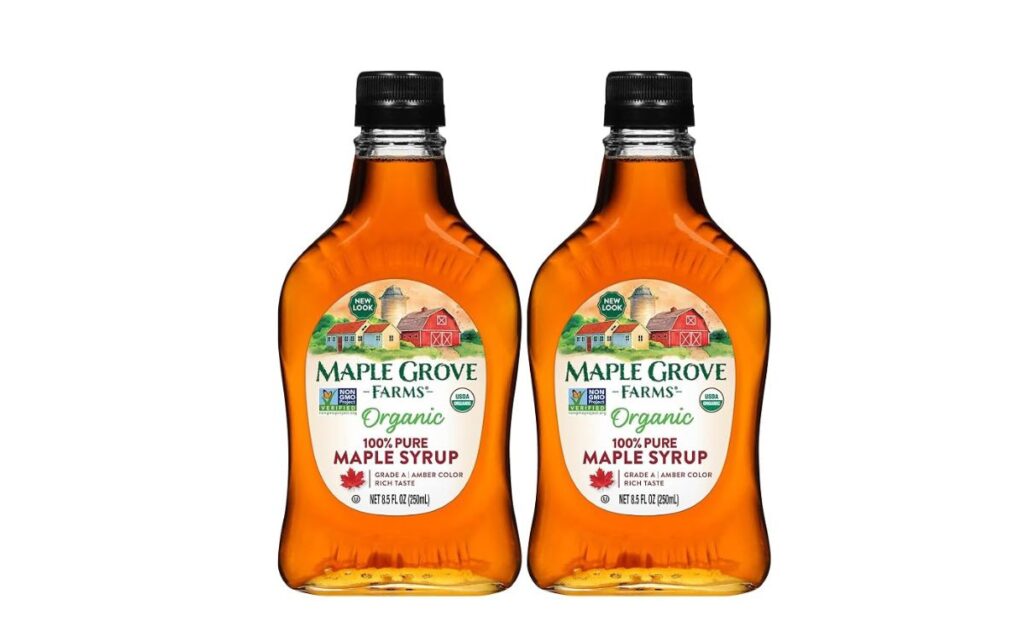
Pure Maple Syrup – Best for Baking
Pure maple syrup is a classic natural sweetener made from maple tree sap. Unlike refined white sugar, it provides a distinctive caramel-like flavor that can add more character to recipes.
It works particularly well in pancakes, waffles, oatmeal, yogurt, sauces, marinades, and baked goods. Maple syrup can also be used when you want both sweetness and flavor rather than simply adding sweetness.
Keep in mind that maple syrup is still an added sugar and contains calories. Replacing refined sugar with maple syrup doesn’t mean you can use unlimited amounts.
Recent nutrition guidance emphasizes that naturally sourced sweeteners such as maple syrup and honey still contribute to added-sugar intake.
Pros
- Rich, distinctive flavor
- Excellent for baking
- Easy to use in drinks and recipes
- Less refined than table sugar
Cons
- Contains calories and sugar
- Can be more expensive
- Strong flavor may not suit every recipe
Best for: Pancakes, oatmeal, baking, and homemade sauces.
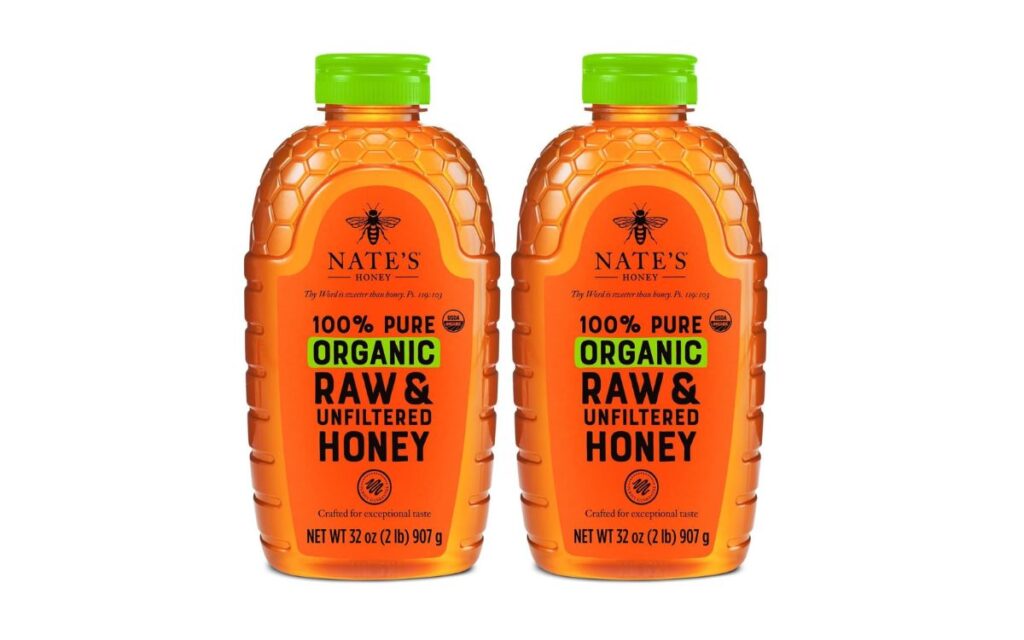
Organic Raw Honey – Best for Flavor
Honey is one of the oldest natural sweeteners and remains a popular alternative to refined sugar. Raw honey is particularly appealing to shoppers who prefer minimally processed food products.
It has a naturally rich flavor that varies depending on the flowers from which the bees collect nectar. Honey can be stirred into tea, drizzled over yogurt or oatmeal, used in sauces, or added to baking recipes.
However, honey should not be considered a sugar-free food. It still contains naturally occurring sugars and calories, so portion size matters. The main advantage is its flavor and versatility rather than being a calorie-free replacement.
Pros
- Naturally sweet and flavorful
- Excellent for tea and oatmeal
- Useful in baking and sauces
- Available in many varieties
Cons
- High in natural sugars
- Contains calories
- Not suitable for children under 1 year
Best for: Tea, oatmeal, yogurt, baking, and dressings.
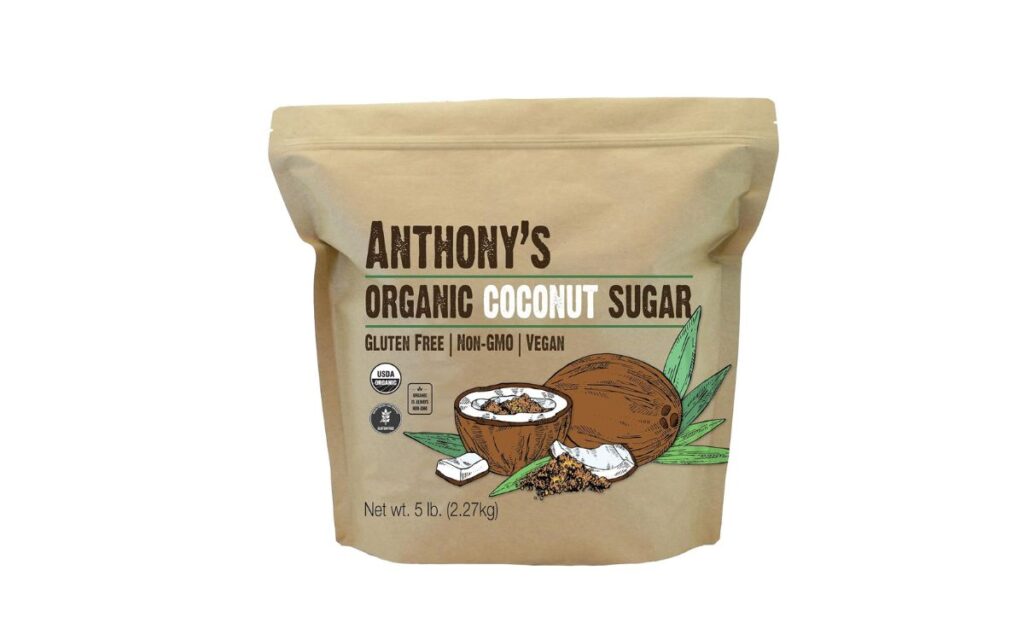
Organic Coconut Sugar – Best 1:1 Sugar Alternative
Coconut sugar is made from the sap of coconut palm flowers and has a brown color with a mild caramel-like flavor. It resembles brown sugar more closely than highly concentrated sweeteners such as stevia or monk fruit.
This makes coconut sugar convenient for people who want to change sweeteners without dramatically changing how they cook. It can be used in cookies, cakes, coffee, oatmeal, sauces, and other recipes that call for granulated sugar.
Despite its natural origin, coconut sugar is still an added sugar. Choosing it doesn’t eliminate the need to moderate overall sugar consumption. Health experts have specifically noted that “natural” sugars such as coconut sugar, honey, and maple syrup still count toward added-sugar intake.
Pros
- Similar texture to granulated sugar
- Mild caramel flavor
- Convenient for baking
- Easy 1:1 substitution in many recipes
Cons
- Still contains sugar and calories
- Can cost more than regular sugar
- Not a zero-calorie option
Best for: Baking and everyday recipes requiring granulated sugar.
How to Choose the Best Natural Sweetener
The right option depends on what you’re trying to achieve. For a low-calorie sweetener, monk fruit or stevia may be the better choice. For baking and a richer flavor, maple syrup or coconut sugar can work well. Honey is a versatile option for drinks, breakfast foods, and homemade recipes.
It’s also worth remembering that replacing refined sugar with a natural sweetener doesn’t automatically make a food healthy. Many natural sweeteners still contribute to added-sugar intake.
Conclusion
The best natural sweetener depends on your taste, cooking habits, and nutritional goals. Lakanto Monk Fruit Sweetener is a strong all-around option for people looking for a low-calorie sugar substitute, while stevia is particularly convenient for beverages.
Maple syrup, honey, and coconut sugar are better choices when you want natural sweetness along with the flavor and texture they bring to recipes.
Before buying, check the ingredient label carefully. Some products marketed as monk fruit or stevia sweeteners contain other sweeteners or sugar alcohols. For example, some commercially available monk fruit and stevia products combine the plant extract with erythritol.
The goal doesn’t have to be finding a perfect replacement for sugar. Choosing a sweetener you enjoy and gradually reducing how much sweetness you use can be a practical long-term approach.