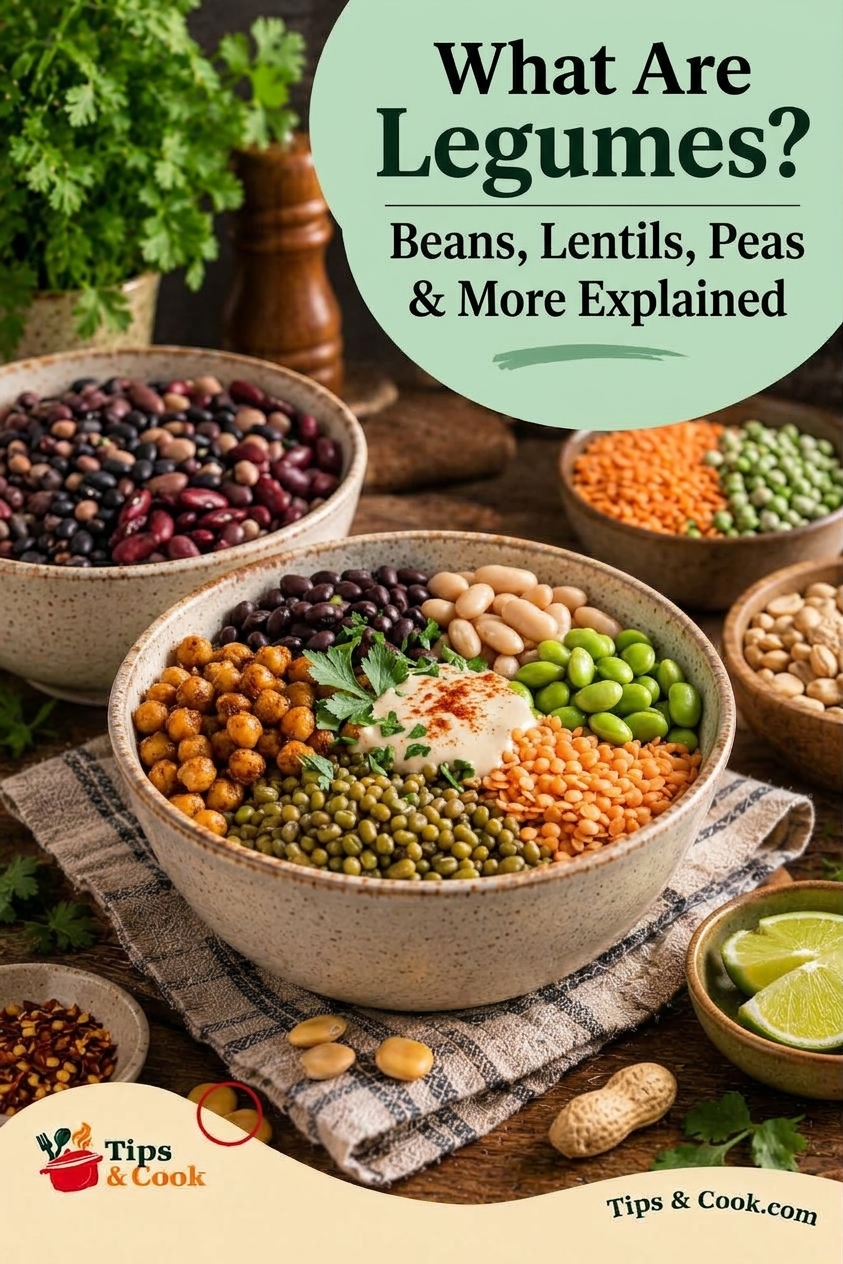
Beans, lentils, chickpeas, and peas are common ingredients in kitchens around the world. They appear in soups, salads, curries, stews, and many plant-based meals. But have you ever wondered what these foods have in common?
If you’re asking what are legumes, they are plants in the Fabaceae family, also known as the legume or pea family. Many legumes produce seeds inside pods, and these seeds include familiar foods such as kidney beans, black beans, chickpeas, and lentils.
Legumes are popular because they are versatile, affordable, and rich in important nutrients. This guide explains the different types of legumes, their nutritional value, and simple ways to include them in everyday meals.
What Are Legumes?
Legumes are plants that belong to the Fabaceae family. Their fruits typically develop in pods, which contain seeds. Many of these seeds are harvested and eaten as food.
The term legume can refer to the plant, its pod, or its seeds, depending on the context. In everyday cooking and nutrition, people often use the word to describe edible foods such as beans, lentils, peas, and chickpeas.
Legumes are grown worldwide and play an important role in many traditional cuisines. They are used in everything from Indian dal and Middle Eastern hummus to Mexican bean dishes and Mediterranean salads.
One reason legumes are especially useful is their nutritional profile. Many provide plant-based protein, dietary fiber, complex carbohydrates, vitamins, and minerals.
8 Common Types of Legumes
Here are eight familiar examples of legumes and how people commonly use them.
1. Beans
Beans are among the most widely consumed legumes. Common varieties include black beans, kidney beans, pinto beans, navy beans, and cannellini beans.
They have different colors, sizes, and textures, making them suitable for a wide range of recipes. Beans are generally good sources of fiber and plant-based protein.
How to use them: Add cooked beans to chili, soups, burritos, salads, or rice dishes.
2. Lentils
Lentils are small, lens-shaped legumes available in green, brown, red, yellow, and black varieties. They cook relatively quickly compared with many dried beans and do not usually require soaking.
Red and yellow lentils often become soft and creamy when cooked, while green and brown lentils tend to hold their shape better.
How to use them: Prepare lentil soup, dal, curries, veggie burgers, or warm grain bowls.
3. Chickpeas
Chickpeas, also called garbanzo beans, are round legumes with a firm texture and mild, nutty flavor. They are widely used in South Asian, Mediterranean, and Middle Eastern cooking.
Chickpeas are a common ingredient in hummus and falafel. They also provide fiber, protein, and several essential minerals.
How to use them: Add chickpeas to salads and curries, roast them for a crunchy snack, or blend them into hummus.
4. Peas
Peas belong to the legume family, although fresh green peas are commonly treated as vegetables in cooking. Garden peas, dried peas, and split peas differ in their maturity, processing, and culinary uses.
Split peas are dried peas that have been peeled and split. They are commonly used in thick soups and stews.
How to use them: Cook green peas as a side dish or make split pea soup with vegetables and herbs.
5. Soybeans
Soybeans are versatile legumes used to make foods such as tofu, soy milk, tempeh, and edamame. Unlike many plant foods, soybeans provide all nine essential amino acids in sufficient proportions to be considered a complete protein source.
Their nutritional content varies depending on whether they are eaten whole or processed into another product.
How to use them: Enjoy cooked edamame, add tofu to stir-fries, or use tempeh in sandwiches and grain bowls.
6. Peanuts
Peanuts are botanically legumes rather than tree nuts. They develop in pods and are related to beans and peas.
Peanuts provide protein, unsaturated fats, and other nutrients. Peanut butter is another common way to consume them, although some commercial products contain added sugar or salt.
How to use them: Add peanuts to stir-fries, sauces, oatmeal, or homemade trail mix.
Important: Peanuts are a major food allergen. People with peanut allergies should avoid them and follow their healthcare professional’s advice.
7. Lupini Beans
Lupini beans are seeds from lupin plants. They are popular in parts of the Mediterranean and Latin America and are often served as a snack or appetizer.
They contain protein and fiber. However, some lupin varieties contain naturally occurring bitter alkaloids, so they must be processed correctly before eating.
How to use them: Enjoy commercially prepared lupini beans according to the package instructions or add them to salads.
Lupin can also cause allergic reactions, particularly in some people with peanut allergies.
8. Mung Beans
Mung beans are small green legumes widely used in South Asian and East Asian cooking. They can be cooked whole, split, or sprouted under suitable conditions.
Mung beans are used in curries, soups, savory pancakes, and some sweet dishes. Their mild flavor makes them easy to combine with spices and vegetables.
How to use them: Cook mung beans into a simple curry, prepare mung dal, or use properly handled cooked beans in salads.
What Is the Difference Between Legumes, Beans, and Lentils?
These terms are related, but they do not mean exactly the same thing.
| Term | Meaning | Examples |
| Legumes | Broad plant family that includes many pod-producing plants and their seeds | Beans, peas, lentils, soybeans, peanuts |
| Beans | Common name for a group of edible legume seeds | Kidney beans, black beans, navy beans |
| Lentils | A particular group of small, lens-shaped legume seeds | Red, green, brown, and black lentils |
| Pulses | Dried edible seeds of certain legume crops | Dried beans, lentils, chickpeas, dried peas |
An important distinction is that all pulses are legumes, but not all legumes are pulses. For example, fresh green peas and green beans are legumes, but they are not classified as pulses under the commonly used food and agriculture definition.
What Nutrients Do Legumes Provide?
Legumes offer a combination of nutrients that can support a balanced diet.
Plant-based protein: Beans, lentils, chickpeas, and soybeans provide protein needed for growth and tissue maintenance.
Dietary fiber: Many legumes contain fiber that supports digestive health and can help you feel full after meals.
Complex carbohydrates: Legumes provide energy, and their fiber and protein content can make them more filling than foods dominated by refined carbohydrates.
Vitamins and minerals: Depending on the variety, legumes can provide folate, iron, potassium, magnesium, and other essential nutrients.
Naturally low saturated fat: Most plain, unprocessed legumes contain little saturated fat. The nutritional profile of a finished dish depends on added oils, sauces, salt, and other ingredients.
Iron from plant foods is less readily absorbed than iron from many animal sources. Eating legumes with vitamin C-rich foods, such as tomatoes, bell peppers, or citrus fruits, can help improve the absorption of non-heme iron.
Are Legumes Healthy?
For many people, legumes are a nutritious addition to a balanced eating pattern. Research has associated diets that include beans, lentils, and other legumes with several favorable health outcomes, although results depend on the overall diet and individual circumstances.
Their combination of protein and fiber can help make meals satisfying. Replacing some processed meats or refined carbohydrate foods with legumes may also improve the nutritional quality of a meal.
However, some people experience gas or bloating when they increase their legume intake. Start with smaller portions, increase intake gradually, drink enough water, and choose preparation methods that suit your digestion.
People with specific medical conditions or food allergies may need individualized dietary advice.
How to Prepare Legumes for Everyday Meals
Legumes are available dried, canned, frozen, and fresh. The best option depends on your recipe and available preparation time.
- Dried beans: Sort and rinse them, soak when appropriate, and cook thoroughly according to reliable instructions. Some beans, especially kidney beans, require specific boiling procedures to destroy naturally occurring toxins.
- Lentils: Rinse before cooking and follow the package instructions. Many varieties cook without soaking.
- Canned legumes: Choose low-sodium options when available. Draining and rinsing canned beans can reduce some of their sodium.
- Frozen peas and edamame: Cook according to the package instructions and add them to soups, stir-fries, or side dishes.
- Sprouted legumes: Use safe sprouting practices. Raw or lightly cooked sprouts can carry harmful bacteria, so thorough cooking is the safer choice for people at higher risk of foodborne illness.
Frequently Asked Questions
Are beans and legumes the same thing?
No. Beans are one type of legume. The legume category also includes lentils, peas, chickpeas, soybeans, and peanuts.
Are potatoes legumes?
No. Potatoes are tubers, not legumes. They belong to a different plant family.
Are chickpeas beans or legumes?
Chickpeas are legumes and are commonly grouped with beans in everyday cooking. They are also classified as pulses when harvested and consumed as dried seeds.
Which legumes have the most protein?
Soybeans are particularly rich in protein among common legumes. Lentils, chickpeas, and many varieties of beans also provide useful amounts of plant-based protein. Exact amounts depend on the food, serving size, and preparation method.
Can you eat legumes every day?
Many people can enjoy legumes daily as part of a varied, balanced diet. Choose suitable portions and preparation methods based on your dietary needs and tolerance.
Conclusion
Understanding what are legumes makes it easier to choose nutritious ingredients for everyday cooking. Beans, lentils, chickpeas, peas, soybeans, peanuts, lupini beans, and mung beans all belong to this diverse plant family.
They offer different flavors, textures, and nutrients, so there are plenty of ways to include them in meals. Try adding lentils to soup, chickpeas to salads, beans to rice dishes, or tofu to a stir-fry.
With appropriate preparation and a little variety, legumes can be an affordable and versatile part of a balanced diet.