Looking for wild foods and medicinal plants guide?? Here it is!! Foraging is more than a hobby-it’s a way to reconnect with nature, discover edible treasures, and learn about plants that have nourished and healed humans for centuries. If you’re new to wildcrafting, knowing where to start can feel overwhelming.
That’s why this guide focuses on wild foods and medicinal plants for beginners, highlighting plants that are easy to identify, widely available, and safe to use when harvested responsibly.
Why Foraging Matters
Foraging teaches us to slow down, observe the natural world, and appreciate seasonal abundance. It also provides nutrient‑dense foods and herbs that can support health naturally. From wild greens packed with vitamins to medicinal roots used for centuries, the practice blends survival skills with wellness.
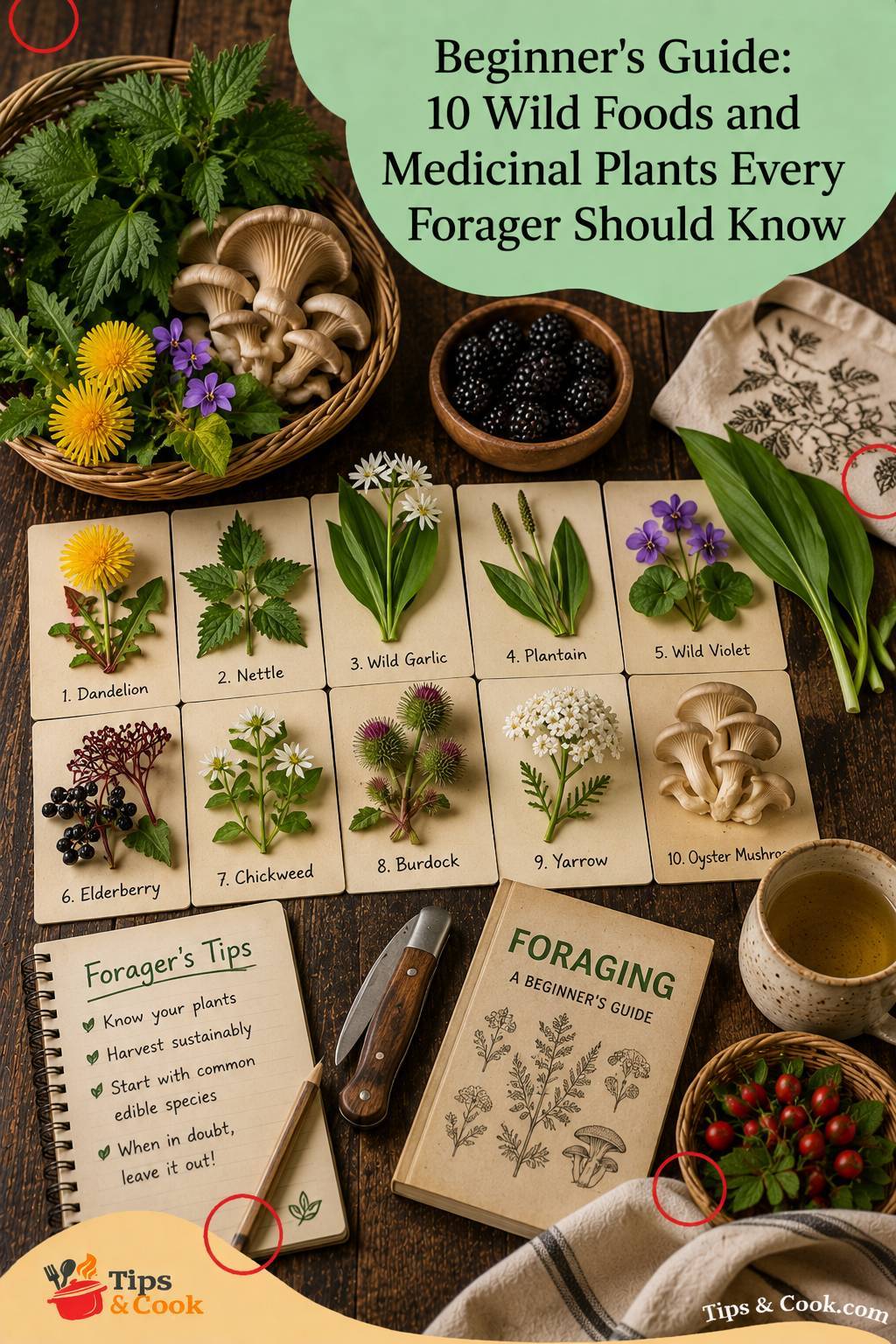
10 Wild Foods and Medicinal Plants
1. Dandelion (Taraxacum officinale)
Often dismissed as a weed, dandelion is a powerhouse. The leaves are rich in vitamins A and C, while the roots can be dried and used as a gentle liver tonic. Young leaves make excellent salad greens, and the flowers can be turned into syrup or wine.
2. Nettles (Urtica dioica)
Nettles sting when touched, but once cooked, they lose their bite and become a nutrient‑dense green. They’re high in iron, calcium, and protein. Nettles are also used medicinally to support joint health and reduce seasonal allergies.
3. Plantain (Plantago major)
Not to be confused with the tropical fruit, this common yard plant is a natural first‑aid remedy. Its leaves soothe insect bites, minor burns, and skin irritations. Plantain can also be brewed into tea for digestive support.
4. Wild Garlic (Allium ursinum)
Wild garlic grows in shady woodlands and is easy to identify by its strong garlicky smell. The leaves, flowers, and bulbs are edible, adding flavor to soups and pestos. It also carries antibacterial properties, making it a medicinal ally.
5. Elderberry (Sambucus nigra)
Elderberries are famous for their immune‑boosting properties. The berries can be cooked into syrups, jams, or teas, while the flowers are used in cordials. Never eat raw berries—they must be cooked to remove toxins.
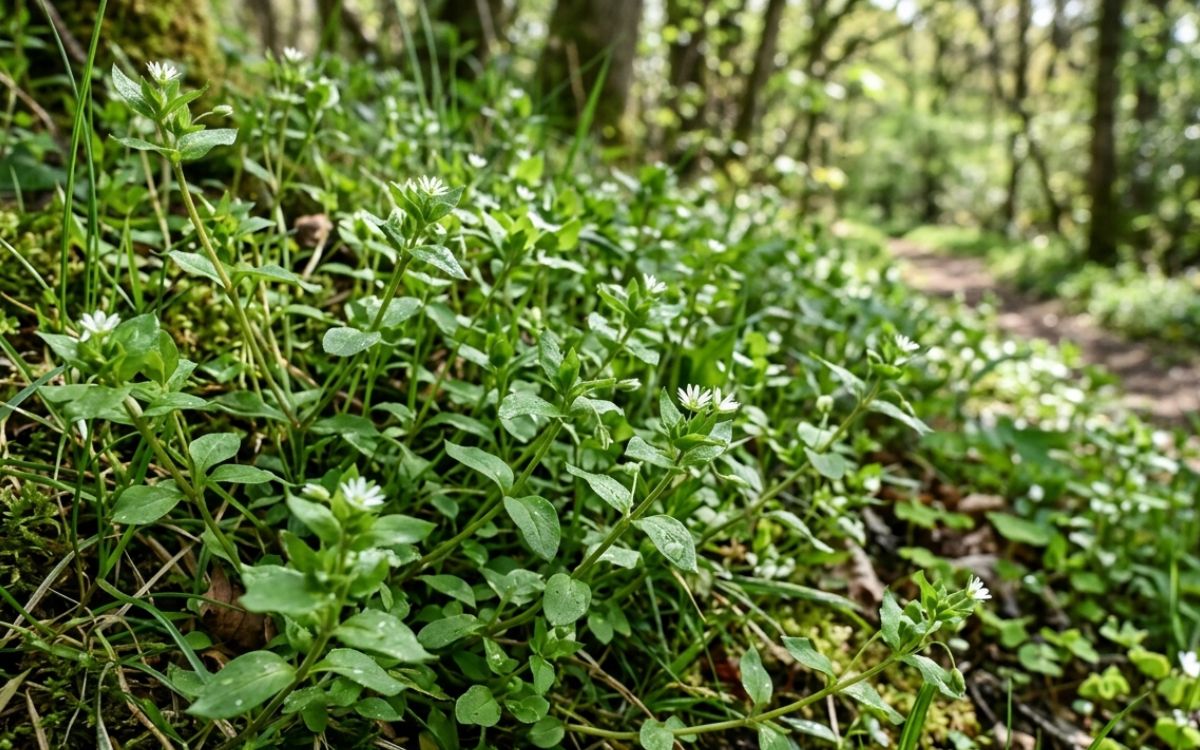
6. Chickweed (Stellaria media)
This delicate green is often found in gardens and fields. Chickweed is edible raw, with a mild flavor perfect for salads. Medicinally, it’s used to soothe skin conditions and promote healing.
7. Yarrow (Achillea millefolium)
Named after Achilles, who supposedly used it to treat wounds, yarrow is a medicinal herb with anti‑inflammatory and antimicrobial properties. It can be brewed into tea for colds or applied topically to stop bleeding.
8. Wild Mint (Mentha spp.)
Wild mint grows along streams and damp areas. Its refreshing leaves are perfect for teas, desserts, and cooling remedies. Mint aids digestion and can ease nausea, making it both culinary and medicinal.
9. Burdock (Arctium lappa)
Burdock roots are edible when cooked and are popular in Asian cuisine. Medicinally, burdock supports detoxification and skin health. The plant’s large leaves make it easy to identify.
10. Rosehips (Rosa spp.)
The fruit of wild roses, rosehips are packed with vitamin C. They can be made into jams, teas, or syrups to support immunity. Their tart flavor makes them a versatile wild food for beginners.
Safety Tips for Beginner Foragers
- Always positively identify plants before consuming.
- Avoid areas sprayed with pesticides or polluted by traffic.
- Harvest sustainably-take only what you need and leave enough for wildlife.
- Learn from experienced foragers or join local workshops.
For a deeper dive into safe foraging practices, check out this excellent beginner’s resource on Wild Food UK.
Wildcrafting Basics
Wildcrafting goes beyond food-it’s about using plants for medicine, crafts, and rituals. Beginners should start with common, easily identifiable species before exploring more advanced herbs. Keeping a foraging journal helps track seasonal availability and personal experiences.
Conclusion
Starting with these wild foods and medicinal plants for beginners gives you a safe, rewarding entry into the world of foraging. From dandelion greens to elderberry syrups, these plants offer both nourishment and healing. With patience, respect for nature, and a willingness to learn, you’ll discover that the wild is full of gifts waiting to be harvested.