
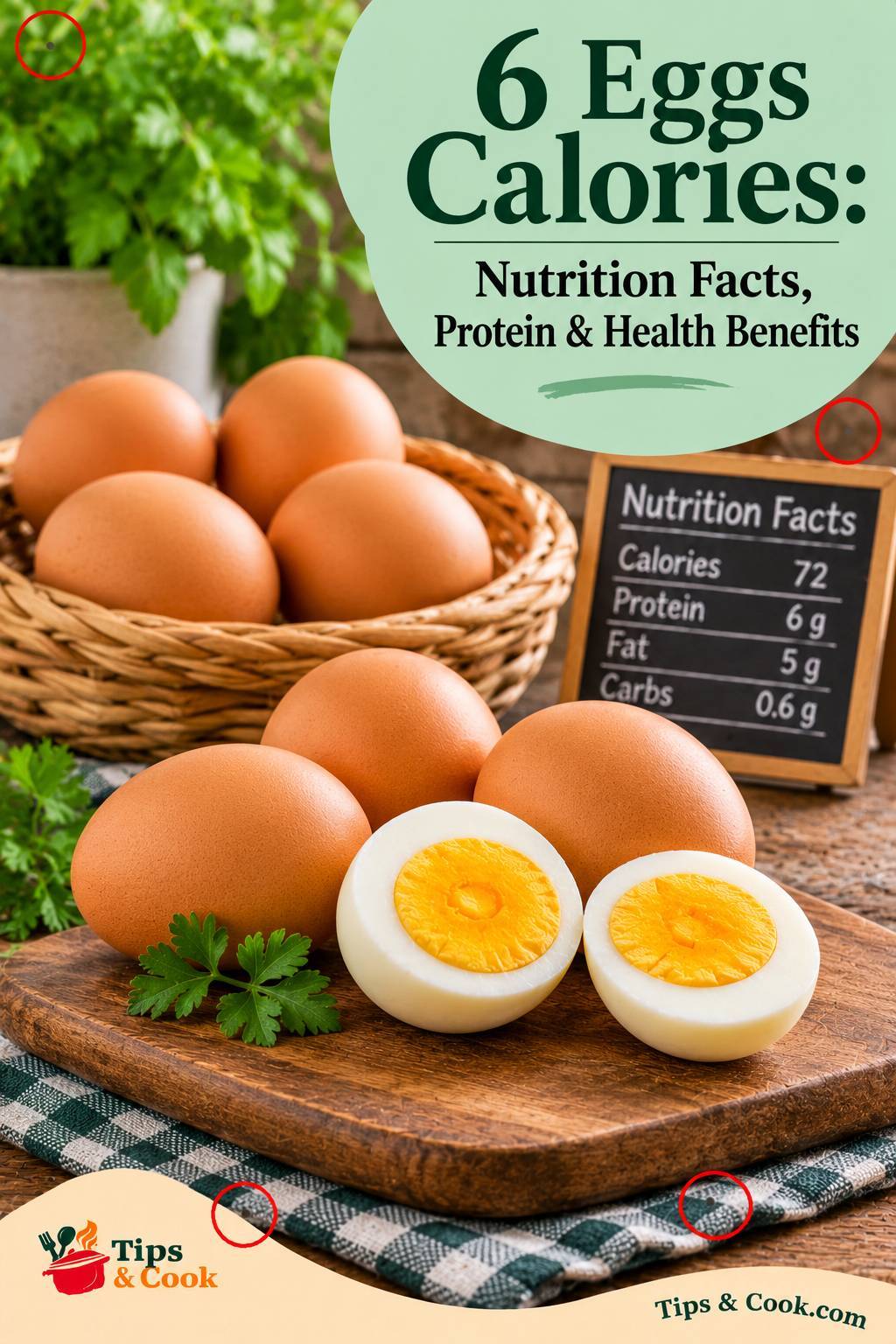
Eggs are among the most nutritious and affordable foods available. They are packed with high-quality protein, essential vitamins, minerals, and healthy fats. Whether you’re a fitness enthusiast, following a high-protein diet, or simply trying to build healthier eating habits, understanding 6 eggs calories can help you make informed dietary choices.
Many people include eggs in their breakfast because they are filling, versatile, and easy to prepare. But how many calories are actually in six eggs, and do they fit into a healthy diet? Let’s explore everything you need to know.
How Many Calories Are in 6 Eggs?
The exact calorie count depends on the size of the eggs, but a standard large egg contains approximately 70–80 calories.
Based on this average:
- 1 large egg = about 72 calories
- 6 large eggs = about 432 calories
Therefore, when discussing 6 eggs calories, you can expect roughly 430-450 calories from six large eggs without added oil, butter, or other ingredients.
Keep in mind that cooking methods can significantly affect the total calorie count. For example, frying eggs in butter or oil adds extra calories compared to boiling or poaching them.
Nutrition Facts for 6 Eggs Calories
While calories are important, eggs offer much more than energy. They contain several nutrients that support overall health.
A serving of six large eggs typically provides:
- Calories: Approximately 432
- Protein: About 36 grams
- Fat: About 30 grams
- Carbohydrates: Less than 3 grams
- Vitamin D
- Vitamin B12
- Selenium
- Choline
- Iron
- Phosphorus
One reason eggs are so popular among athletes and fitness enthusiasts is their impressive protein content. Six eggs provide around 36 grams of protein, making them an excellent option for muscle growth and recovery.
Why Eggs Are Considered a Superfood
Eggs have earned a reputation as one of nature’s most complete foods. They contain all nine essential amino acids, which means they provide complete protein.
Beyond protein, eggs are rich in nutrients that support brain function, eye health, and immune function. The yolk, often misunderstood, contains many of the vitamins and minerals that make eggs so nutritious.
Some of the key benefits include:
- High-quality complete protein
- Rich source of choline for brain health
- Contains antioxidants that support eye health
- Naturally low in carbohydrates
- Helps increase feelings of fullness
These benefits make eggs a staple ingredient in many healthy eating plans.
Is Eating 6 Eggs a Day Healthy?
One of the most common questions related to 6 eggs calories is whether eating six eggs every day is healthy.
The answer depends on your overall diet, activity level, and individual health needs.
For highly active individuals, athletes, and those following high-protein diets, six eggs may fit comfortably into their nutrition plan. Eggs provide substantial protein and nutrients that support performance and recovery.
However, balance remains important. Eating a variety of foods ensures you receive a broader range of nutrients.
Consider pairing eggs with:
- Vegetables
- Whole grains
- Fruits
- Healthy fats
- Lean proteins
This creates a more balanced meal that supports overall health.

Eggs and Weight Loss
Many people trying to lose weight include eggs in their diet because they are filling and satisfying.
The protein found in eggs helps reduce hunger and may decrease overall calorie intake throughout the day. Unlike sugary breakfast foods that can lead to energy crashes, eggs provide longer-lasting satiety.
Benefits of eggs for weight management include:
- High protein content
- Low carbohydrate levels
- Excellent satiety
- Easy portion control
- Supports muscle retention during calorie deficits
While 6 eggs calories may seem high at over 400 calories, the strong satiety effect of eggs may help prevent overeating later in the day.
Best Ways to Cook Eggs
The cooking method you choose can influence the nutritional profile of your meal.
Boiled Eggs
Boiling eggs is one of the healthiest methods because it requires no added fats. It also preserves most of the nutritional value.
Poached Eggs
Poaching is another excellent option for those looking to keep calories low while maintaining flavor and texture.
Scrambled Eggs
Scrambled eggs can be healthy when prepared with minimal butter or oil. Adding vegetables boosts nutrition even further.
Omelets
Omelets offer endless customization opportunities. You can increase nutrients by adding spinach, mushrooms, tomatoes, onions, or peppers.
Fried Eggs
Fried eggs can still be part of a healthy diet, but additional cooking oils increase the overall calorie count.
Common Egg Myths
Despite their nutritional value, eggs are often surrounded by misconceptions.
Myth 1: Eggs Are Bad for Cholesterol
Research in recent years has shown that dietary cholesterol affects people differently, and many healthy individuals can enjoy eggs as part of a balanced diet.
Myth 2: Only Egg Whites Are Healthy
Egg whites contain protein, but the yolk is where many vitamins, minerals, and antioxidants are found.
Myth 3: Brown Eggs Are Healthier
The color of an eggshell has little to do with its nutritional quality. Nutrition mainly depends on the hen’s diet.
Healthy Meal Ideas Using 6 Eggs
If you’re planning to consume six eggs during the day, there are many delicious ways to incorporate them into meals.
Try:
- A vegetable-packed omelet for breakfast
- Hard-boiled eggs as a protein snack
- Egg salad served with leafy greens
- Scrambled eggs with spinach and tomatoes
- Breakfast burritos with eggs and vegetables
These meals not only taste great but also maximize the nutritional benefits of eggs.
Read More: Easy Chia Seed Pudding with Honey
Final Thoughts
Understanding 6 eggs calories can help you make smarter dietary decisions. Six large eggs provide approximately 430-450 calories and around 36 grams of high-quality protein. They are rich in vitamins, minerals, antioxidants, and healthy fats that support overall wellness.
Whether your goal is weight management, muscle building, or simply eating a nutritious breakfast, eggs remain one of the most versatile and nutrient-dense foods available. When enjoyed as part of a balanced diet, they can be a valuable addition to your daily meal plan.
If you’re looking for a protein-rich food that’s affordable, convenient, and packed with nutrition, eggs continue to be one of the best choices you can make.