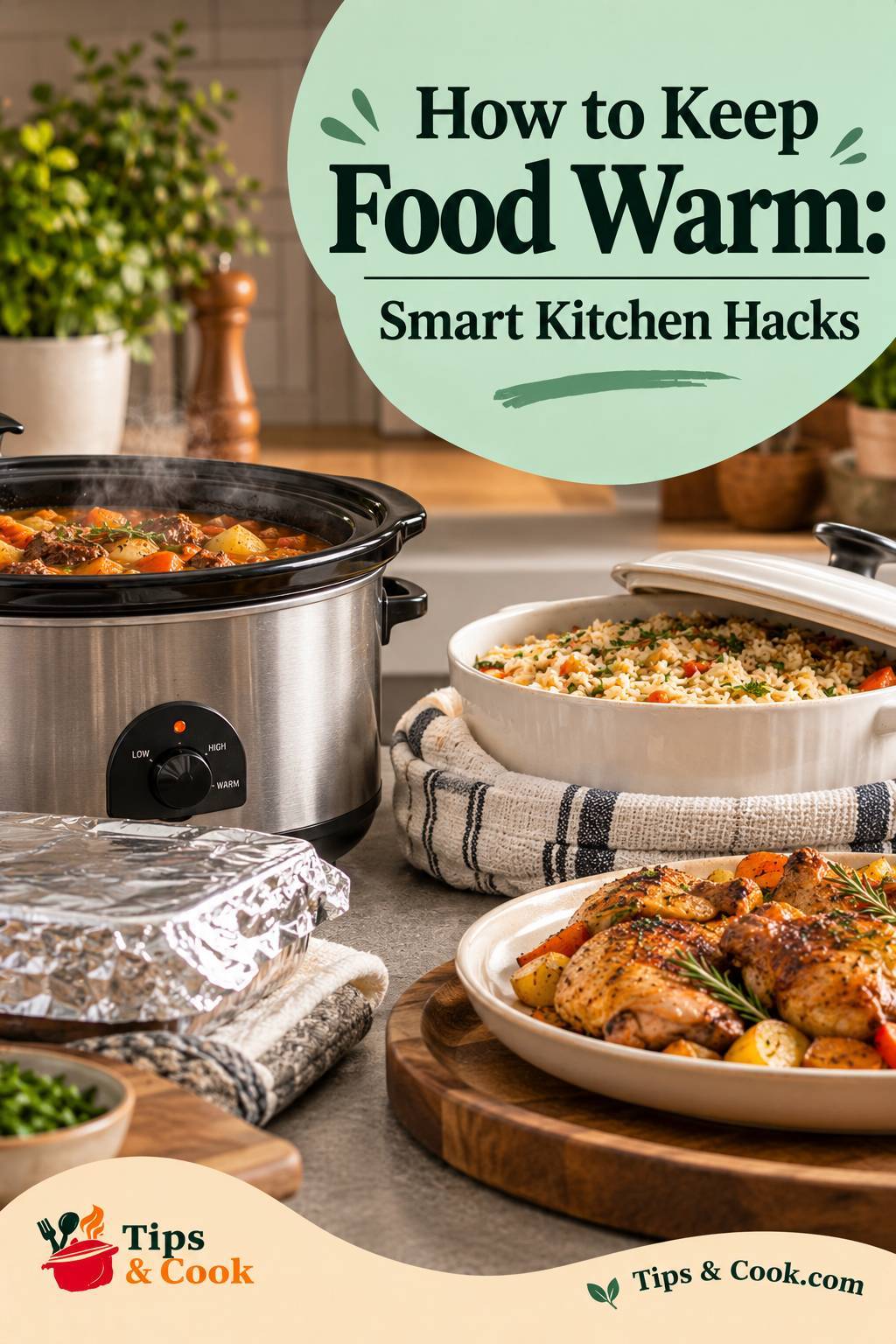
We’ve all been there-you finish cooking a delicious meal, but guests are late or dinner isn’t ready to be served. Suddenly, the challenge becomes keeping your food warm without drying it out or risking food safety.
Knowing how to keep food warm is a valuable kitchen skill, whether you’re hosting a party, preparing a holiday feast, or simply juggling a busy family dinner. With the right techniques, you can maintain flavor, texture, and safety while ensuring your dishes stay hot and inviting.
Why Keeping Food Warm Matters
Food that cools too quickly loses its appeal, and reheating can sometimes change the texture or flavor. More importantly, food safety is a concern-bacteria thrive in the “danger zone” between 40°F and 140°F.
Keeping food warm above 140°F ensures it stays safe to eat. So, learning food warming tips isn’t just about taste; it’s about health too.
How to Keep Food Warm at Home

Oven Method: Reliable and Simple
One of the easiest ways to keep food warm is using your oven.
- Set the oven to a low temperature (around 200°F or 90°C).
- Cover dishes with foil to prevent drying.
- Place casseroles, roasted meats, or baked sides inside until ready to serve.
This method works well for large meals and keeps food evenly heated without overcooking.
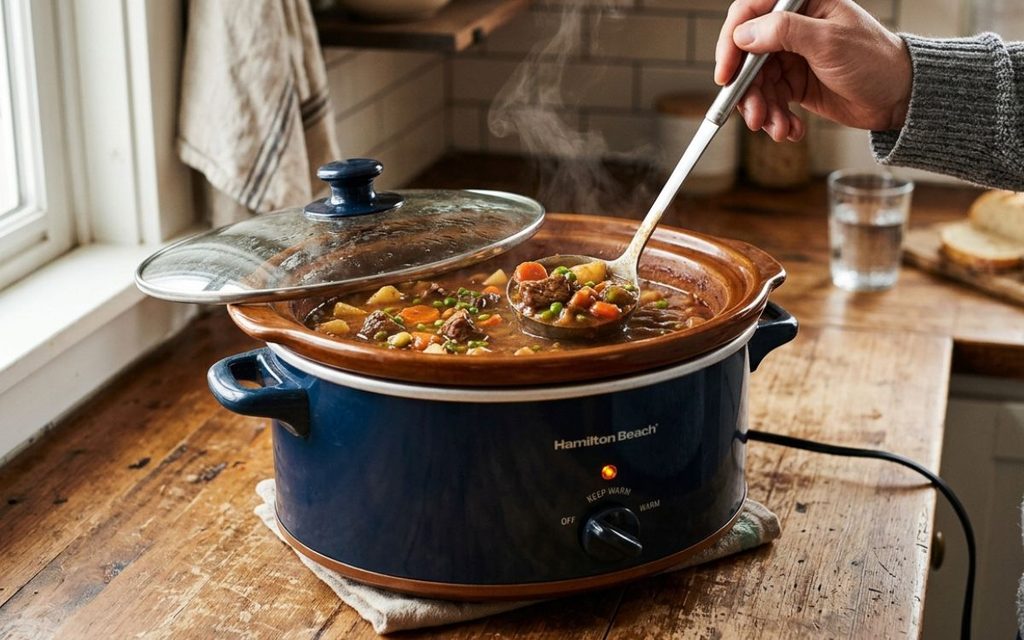
Slow Cooker or Instant Pot
If you’re serving soups, stews, or sauces, a slow cooker or Instant Pot is your best friend.
- Use the “keep warm” setting to maintain safe temperatures.
- Stir occasionally to prevent sticking.
- Perfect for buffets or potluck dinners.
This is one of the most convenient kitchen hacks for warm food, especially for gatherings.
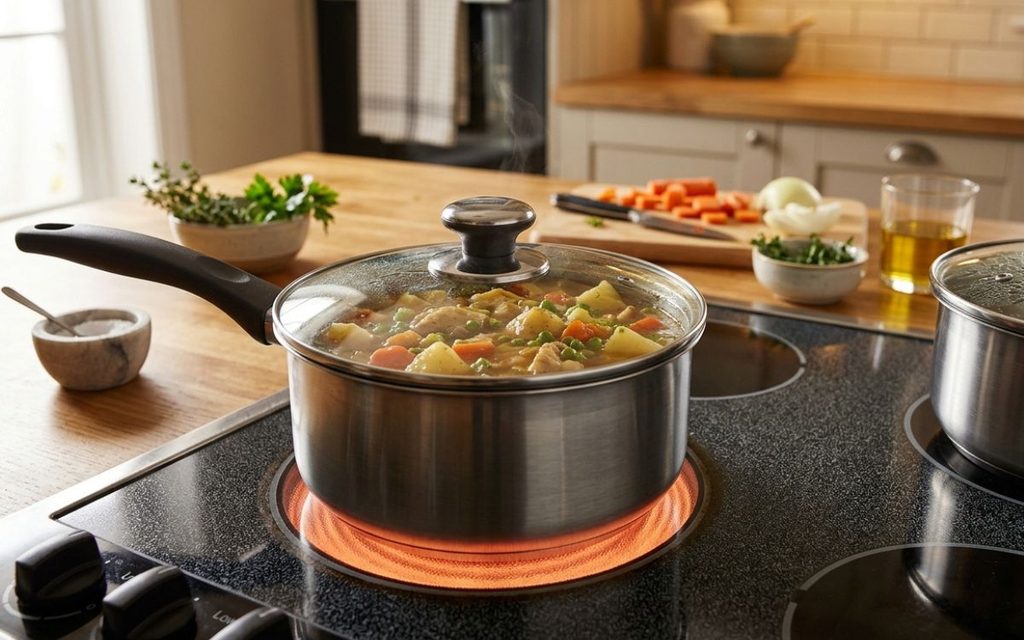
Stovetop on Low Heat
For dishes like mashed potatoes, gravy, or stir‑fries, keeping them on the stovetop works well.
- Use the lowest heat setting.
- Stir frequently to avoid burning.
- Add a splash of broth or water if food starts to dry out.
This method is quick and effective but requires attention.
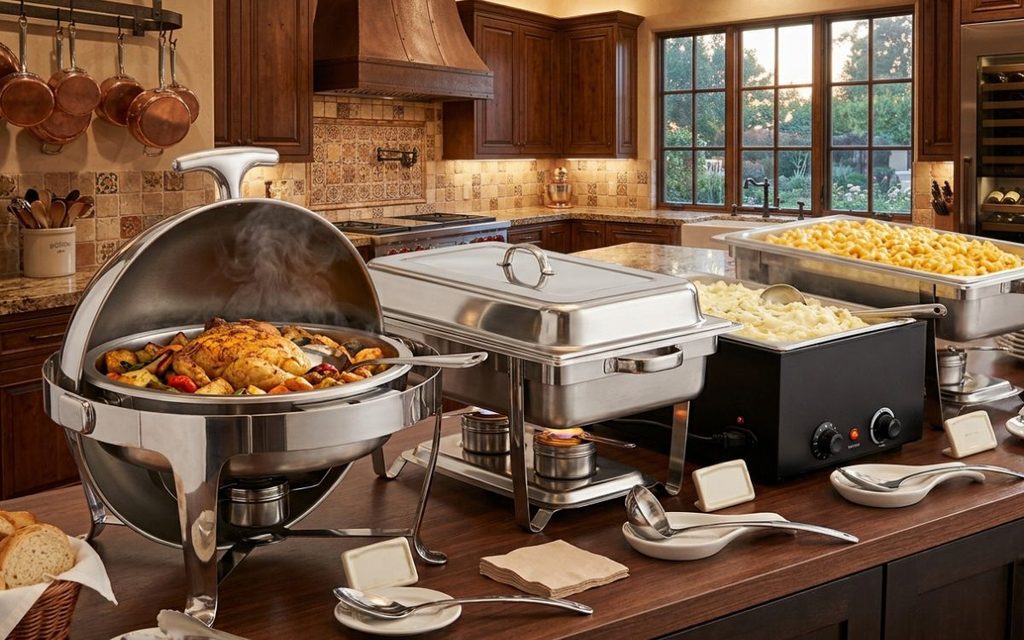
Warming Trays and Chafing Dishes
For parties or buffets, warming trays and chafing dishes are ideal.
- Electric warming trays keep multiple dishes hot at once.
- Chafing dishes use water pans and burners to maintain heat.
- Great for serving food over several hours.
These tools are common in catering and are excellent for party food warming ideas.
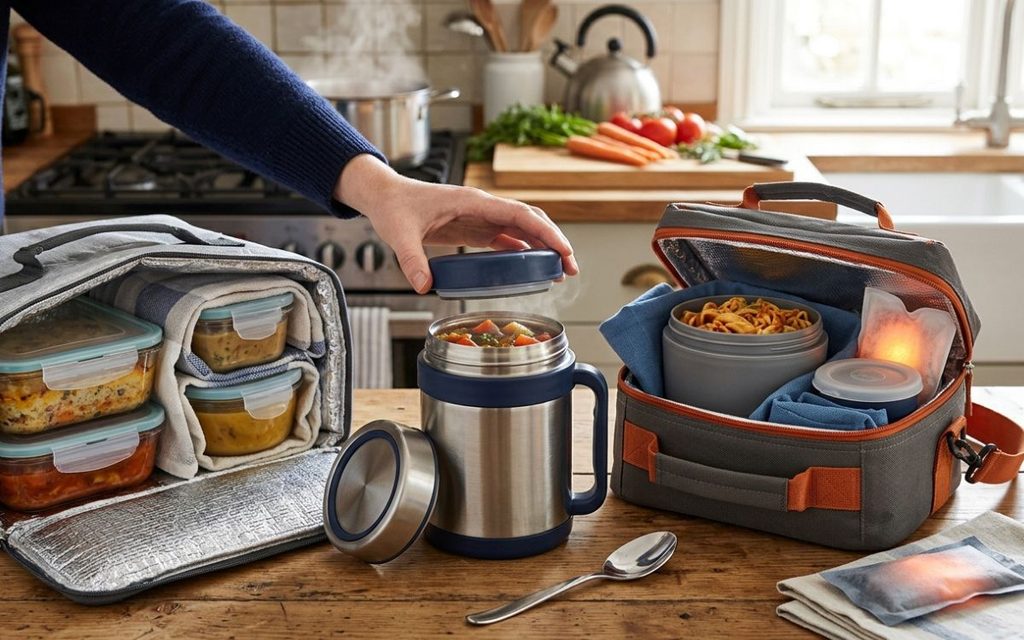
Insulated Containers and Thermal Bags
If you’re transporting food or waiting to serve, insulated containers are lifesavers.
- Use thermal bags for casseroles or baked goods.
- Store soups or stews in insulated flasks.
- Wrap dishes in towels to retain heat longer.
This method is practical for picnics, potlucks, or family gatherings.
Safety Tips for Keeping Food Warm
While learning how to keep food warm, safety should always come first. Food should be kept above 140°F to prevent bacterial growth. Use a food thermometer to check temperatures, especially for meats and dairy‑based dishes. Avoid leaving food out at room temperature for more than two hours.
If you’re keeping food warm for longer periods, stir regularly and cover tightly to prevent contamination. These safe food temperature practices ensure your meal is not only delicious but also safe for everyone to enjoy.
Read More: How Long Can You Freeze Chicken? – 4 Kitchen Hacks
Conclusion
Mastering how to keep food warm is about combining convenience with safety. Whether you use your oven, slow cooker, stovetop, or insulated containers, the goal is to serve food that’s hot, flavorful, and safe.
With these kitchen hacks, you’ll never have to worry about cold casseroles or lukewarm soups again. These safe food temperature practices ensure your meal is not only delicious but also safe for everyone to enjoy.
For more food safety guidance, visit the USDA Food Safety and Inspection Service.