
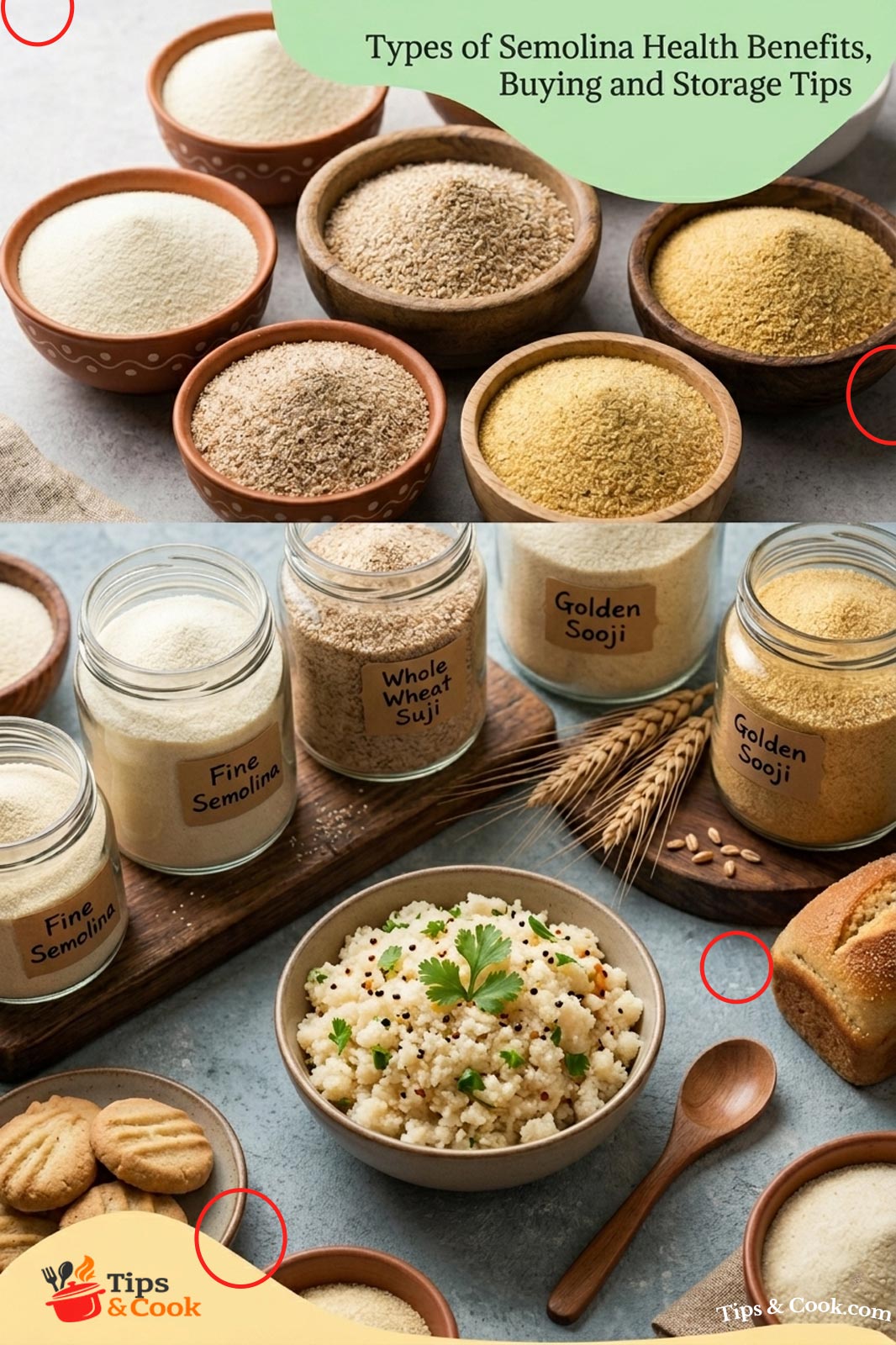
Looking for perfect guide of types of semolina? Here you go!!! Semolina is a coarse flour made by grinding durum wheat, known for its high protein and gluten content. It has a slightly yellow color due to the presence of carotenoids and is widely used in pasta, bread, couscous, and desserts like halwa and upma.
In addition to wheat-based semolina, millet and rice semolina are also available, offering gluten-free alternatives for those with dietary restrictions.
Types of Semolina
There are several varieties of semolina, each with unique properties:
- Durum Wheat Semolina – The most common type, rich in protein and gluten, ideal for pasta and baked goods.
- Whole Wheat Semolina – Contains bran, offering more fiber and aiding digestion.
- Millet Semolina (Ragi, Bajra, Jowar) – Gluten-free options packed with minerals like calcium, iron, and magnesium.
- Rice Semolina – A lighter version, often used in South Asian desserts and baby foods.
Semolina Nutrition
Semolina is a good source of complex carbohydrates, providing steady energy. A typical serving contains moderate protein, B-vitamins (especially folate), and minerals such as iron, magnesium, and zinc. Whole-grain and millet-based semolina varieties add more fiber and micronutrients, making them healthier choices for digestion and long-term wellness.
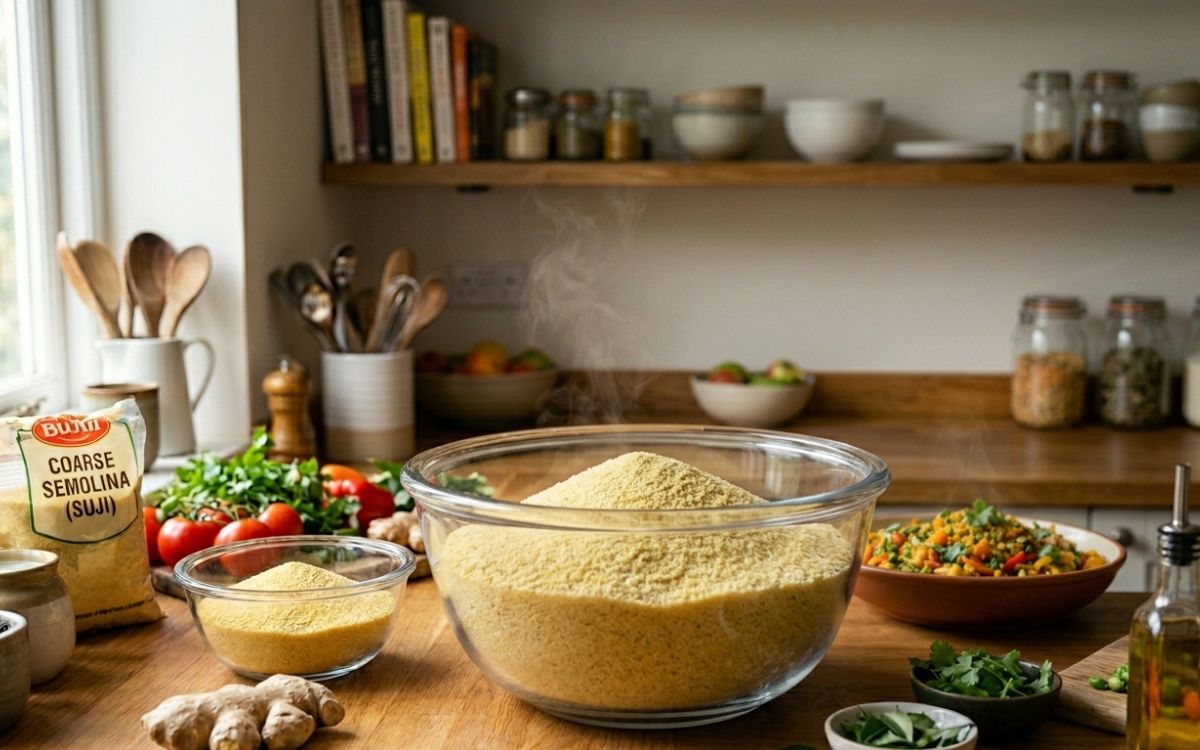
Benefits of Semolina
May Promote Weight Loss
Different types of Semolina is rich in complex carbohydrates and fiber, which digest slowly and keep you feeling full for longer periods. This steady release of energy helps reduce hunger pangs and prevents overeating. When included in a balanced diet, semolina can support weight management by curbing unnecessary snacking and promoting satiety.
May Improve Blood Sugar Control
Whole-grain and millet-based semolina varieties have a lower glycemic index compared to refined wheat semolina. This means they release glucose gradually into the bloodstream, preventing sudden spikes in blood sugar. For people with diabetes or those at risk, choosing whole-grain semolina can be a healthier option that supports better blood sugar regulation.
Supports Heart Health
Semolina is naturally low in fat and cholesterol, making it heart-friendly. The magnesium present in semolina helps regulate blood pressure, while dietary fiber contributes to lowering LDL (bad cholesterol). Together, these properties support cardiovascular health and reduce the risk of heart disease when semolina is consumed in moderation as part of a balanced diet.
Rich in Iron
Iron is essential for producing hemoglobin, the protein in red blood cells that carries oxygen throughout the body. Semolina provides a good amount of iron, which can help prevent iron-deficiency anemia. Regular consumption of semolina-based dishes can be particularly beneficial for individuals who need to boost their iron intake.
Supports Digestive Health
Whole-grain and millet semolina varieties are high in dietary fiber, which plays a crucial role in maintaining digestive health. Fiber adds bulk to stool, promotes regular bowel movements, and helps prevent constipation. A fiber-rich diet also supports a healthy gut microbiome, which is linked to improved immunity and overall well-being.
Health Considerations
While semolina has many benefits, it may not be suitable for everyone. Wheat-based semolina contains gluten, making it unsuitable for people with celiac disease or gluten sensitivity. Refined semolina has less fiber compared to whole-grain varieties, so it may not support blood sugar control as effectively. Moderation is key, especially for those managing diabetes or weight concerns.
Uses of Semolina
Semolina is incredibly versatile in cooking. It is used to make pasta, couscous, bread, and breakfast dishes like upma. In desserts, it forms the base for halwa, puddings, and cakes. Millet and rice semolina are often used in gluten-free recipes, making them suitable for a wider range of diets, like almond milk.
Bottom Line
Understanding the types of semolina helps you choose the right one for your health and cooking needs. Durum wheat semolina is perfect for pasta and baked goods, while millet and rice semolina provide gluten-free, nutrient-rich alternatives.
With its energy-boosting carbohydrates, iron content, and digestive benefits, semolina can be a valuable addition to a balanced diet – provided you select the right types of semolina and consume it in moderation.